
Why SNEC matters to international renewable-energy buyers
For international buyers working in solar power, energy storage and related clean-energy projects, SNEC in Shanghai can be one of the most efficient places in China to compare technologies and suppliers in a concentrated professional setting. Instead of reviewing product catalogues one company at a time, buyers can examine multiple manufacturers, system solutions and component options within a few focused days.
The value of visiting a specialized exhibition like SNEC is not only the number of booths. It is the ability to compare modules, inverters, batteries, mounting systems, EPC-related solutions, manufacturing technologies and supporting equipment under commercial conditions that are closer to real project discussions. Buyers can assess product maturity, booth organization, technical responsiveness and the seriousness of supplier follow-up before moving into detailed quotation review.
A productive visit requires preparation. The objective should not be simply to collect brochures. Buyers should arrive with clear project requirements, a shortlist of target product groups, technical questions, compliance priorities and a system for comparing exhibitors after the event. When handled professionally, SNEC can shorten sourcing cycles, improve supplier screening and support better purchasing decisions for both distribution and project-based procurement.
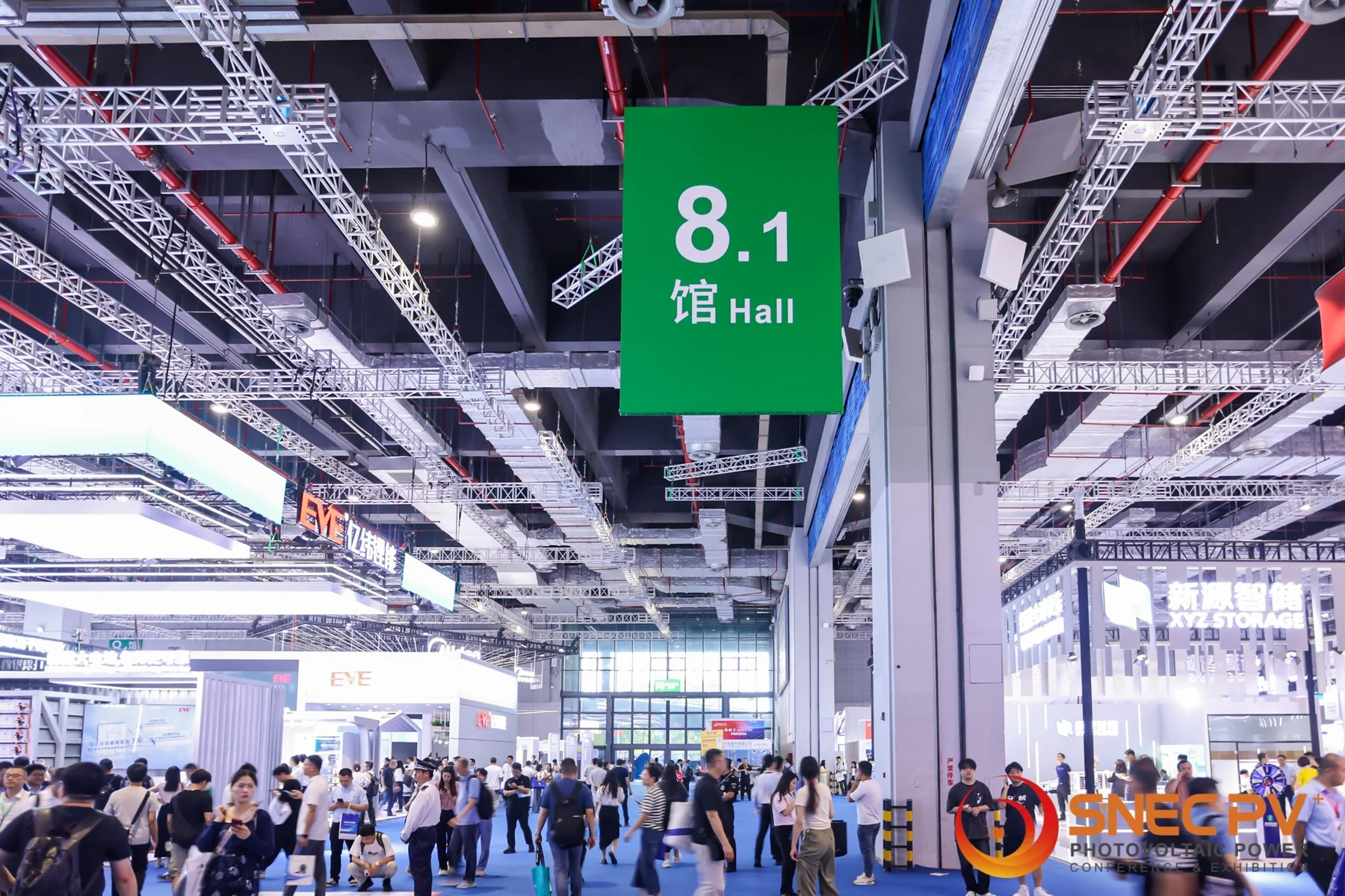
What SNEC represents for product and project buyers
SNEC is internationally recognized as a major renewable-energy and photovoltaic industry exhibition in Shanghai. For international buyers, the practical significance is that it gathers product manufacturers, solution providers, equipment companies and industry participants from across the solar and wider clean-energy supply chain in one place.
Although many visitors think of SNEC primarily as a solar-panel fair, a professional buyer should view it more broadly. The event can also be relevant for grid-connected and hybrid systems, commercial and industrial solar solutions, residential energy-storage systems, utility-scale components, inverters, batteries, monitoring technologies, mounting structures, balance-of-system products and certain manufacturing or testing technologies.
Because event schedules, hall arrangements, conference agendas and exhibitor lists can change from one edition to another, buyers should always verify the current edition details directly on the official SNEC website before booking travel or arranging appointments.
Official event website: SNEC PV+ Conference & Exhibition
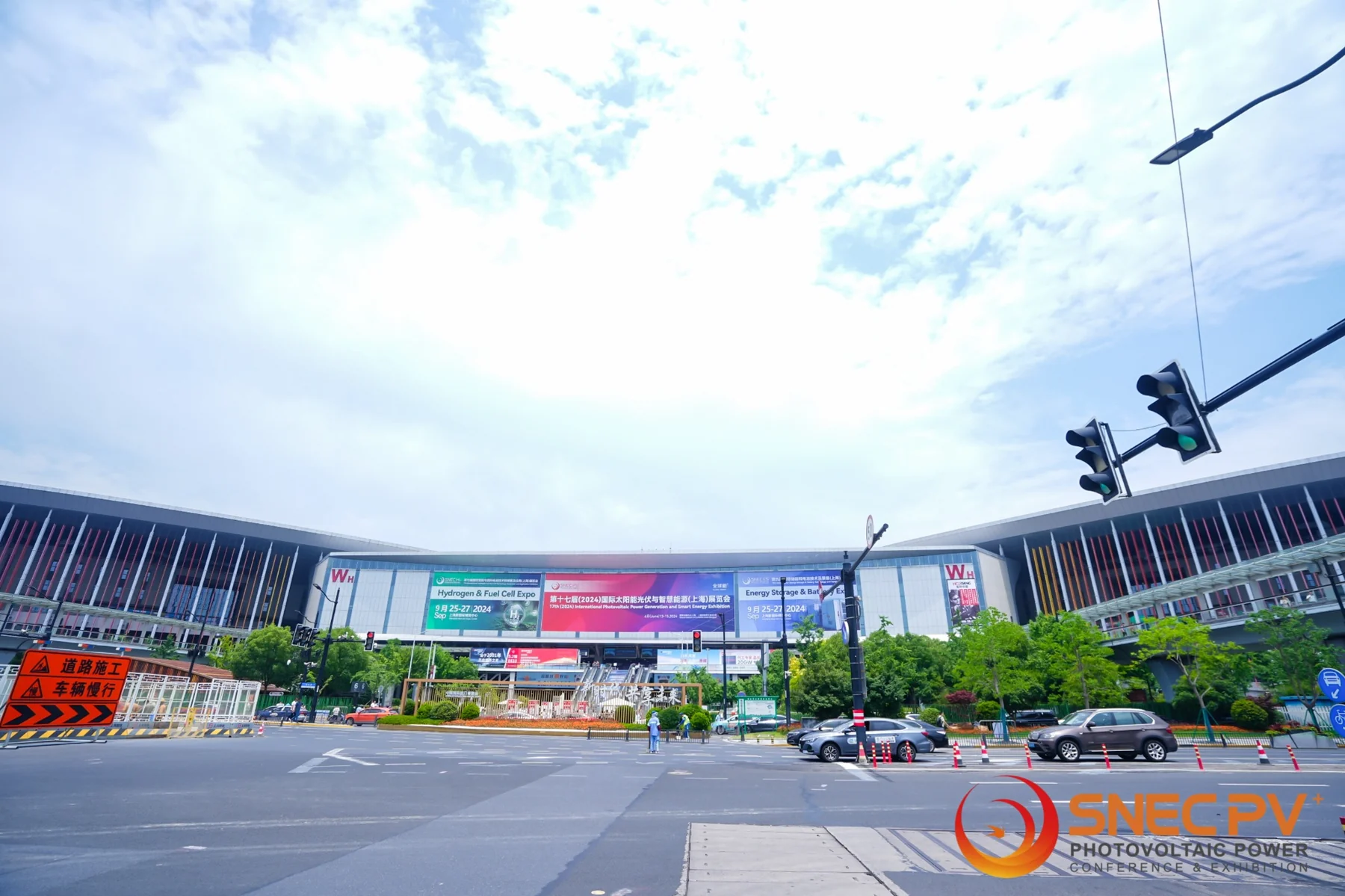
Main product groups buyers can compare at SNEC
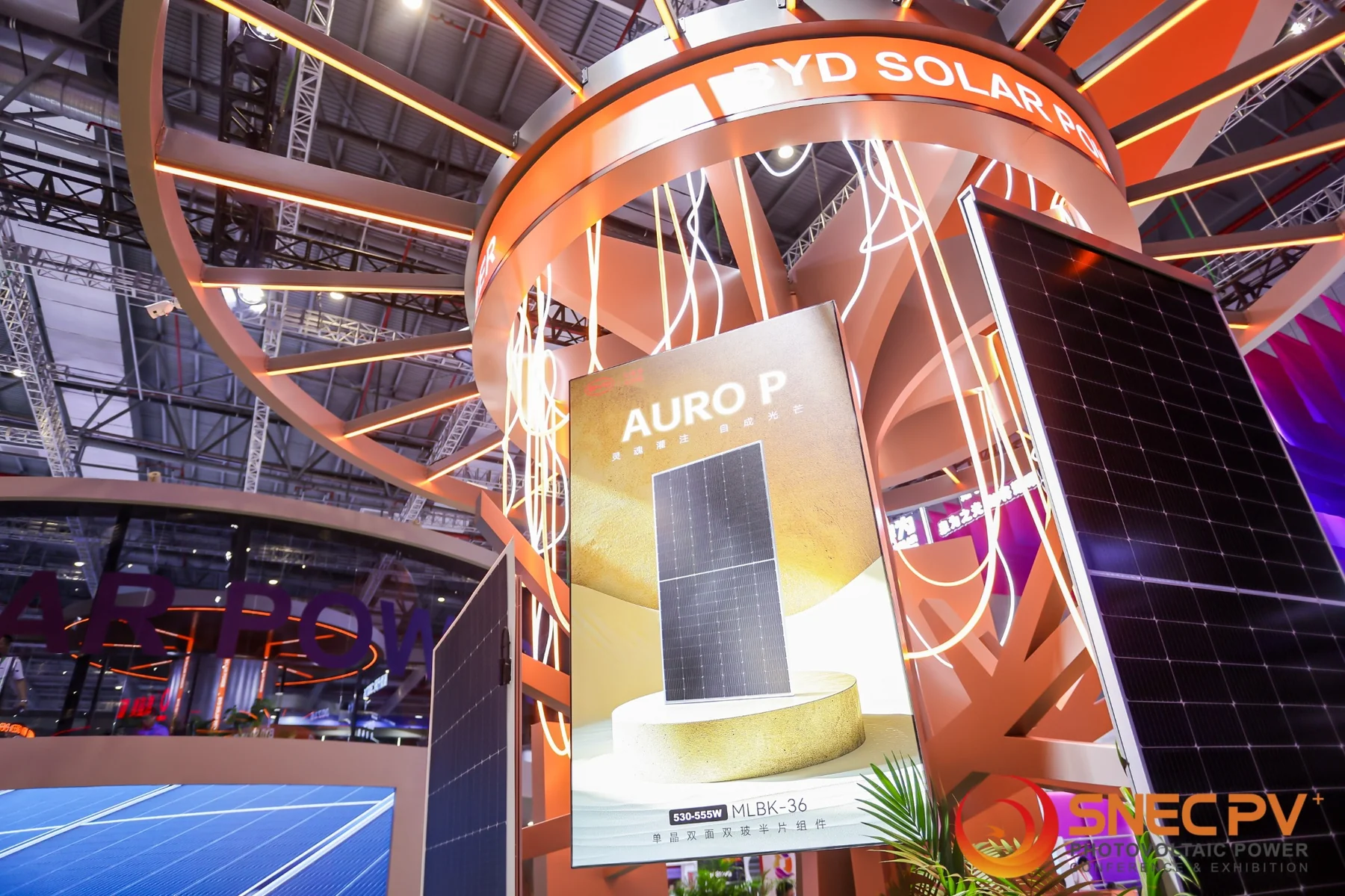
Solar modules, cells and related PV products
Module and cell suppliers remain one of the main attractions for international buyers. Professional evaluation should go beyond front-side appearance. Buyers should discuss cell technology, module power range, efficiency, temperature coefficient, mechanical-load performance, degradation expectations, fire classification, test standards, warranty structure, container loading, packing method and target-market certification.
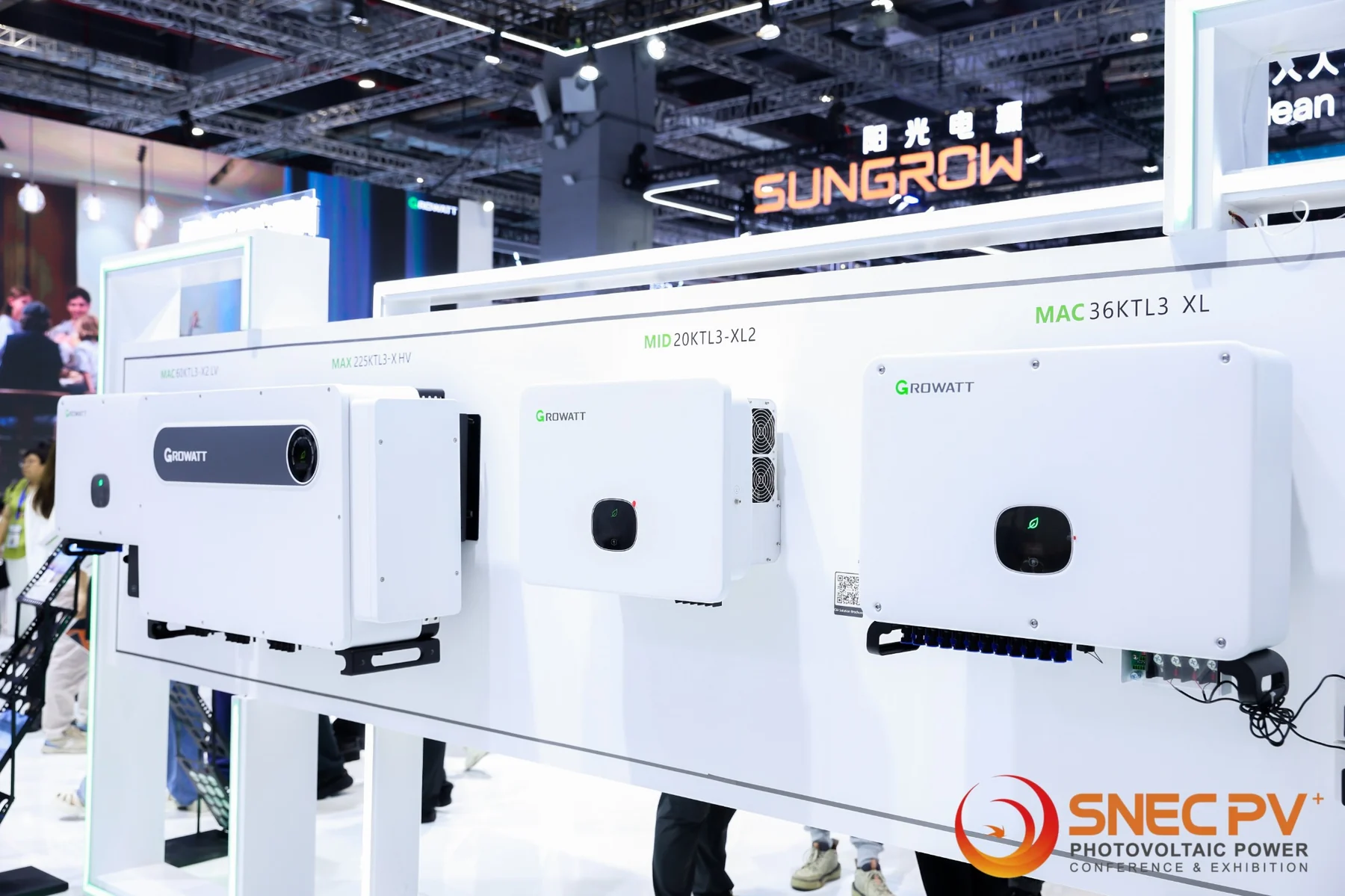
Inverters and power-conversion equipment
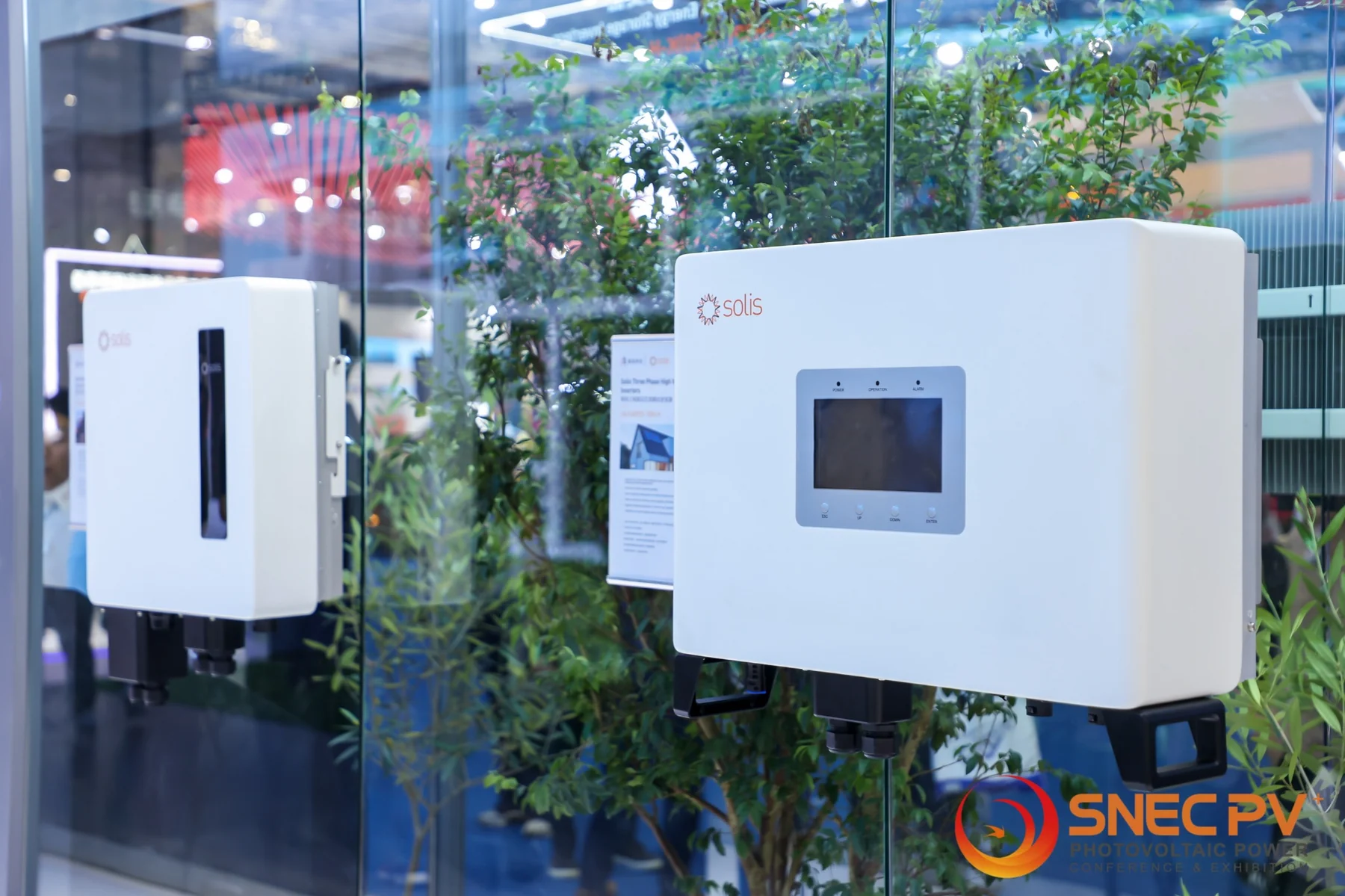
Inverter comparison should include rated AC output, MPPT configuration, DC input limits, efficiency, cooling method, ingress-protection rating, communication protocol, monitoring platform, anti-islanding functions, grid-code compatibility, installation environment and after-sales service structure. Buyers should distinguish clearly between residential, commercial and utility product lines because the commercial expectations can differ substantially.
Battery and energy-storage systems
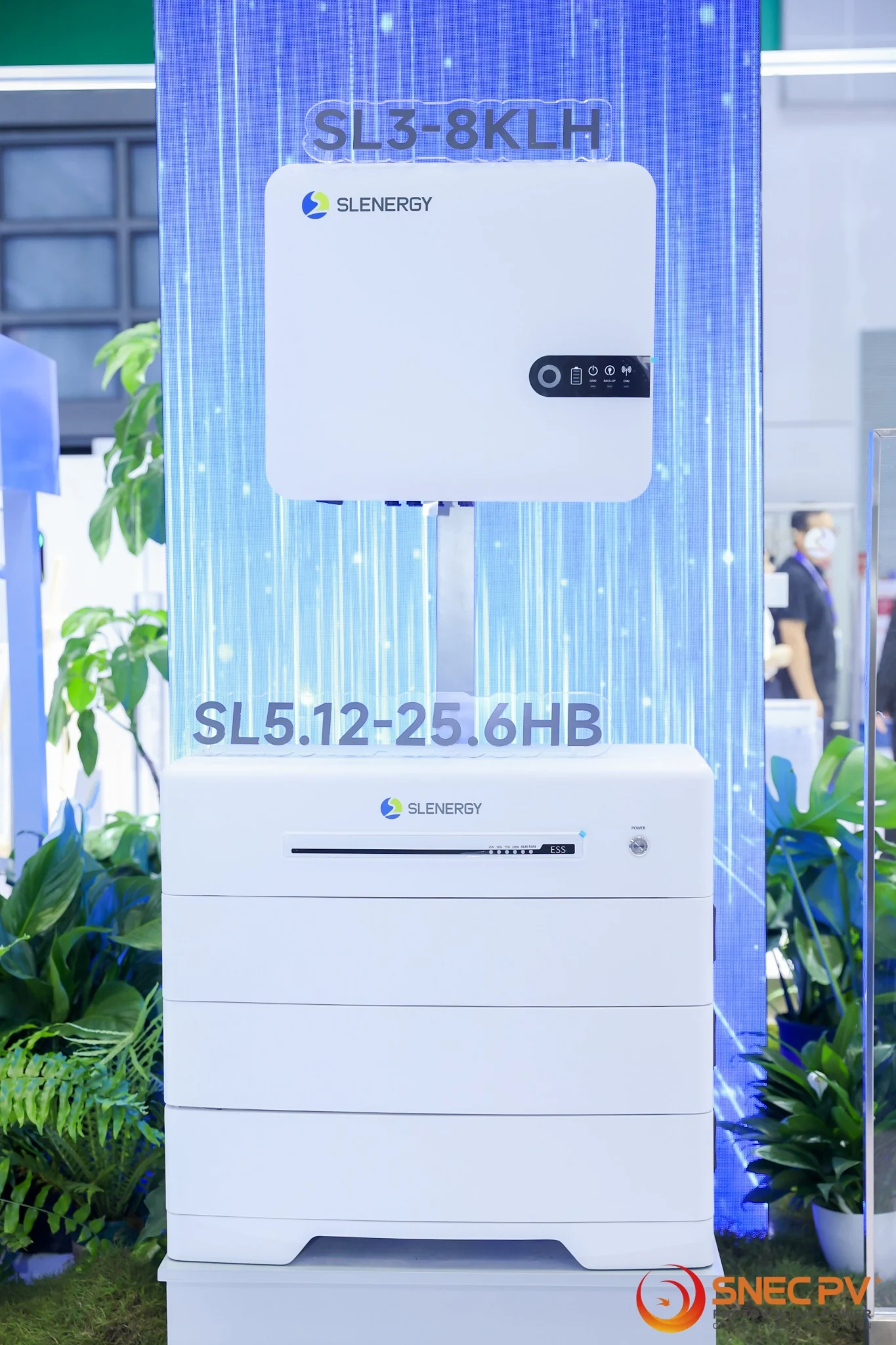
For energy-storage products, buyers should confirm chemistry, usable capacity, nominal voltage, cycle life, depth of discharge, BMS architecture, thermal management, communication protocol, operating-temperature limits, enclosure rating, safety testing, installation method and system expandability. The correct questions vary between residential batteries, cabinet systems and larger integrated solutions.
Integrated solutions, C&I systems and large exhibitors
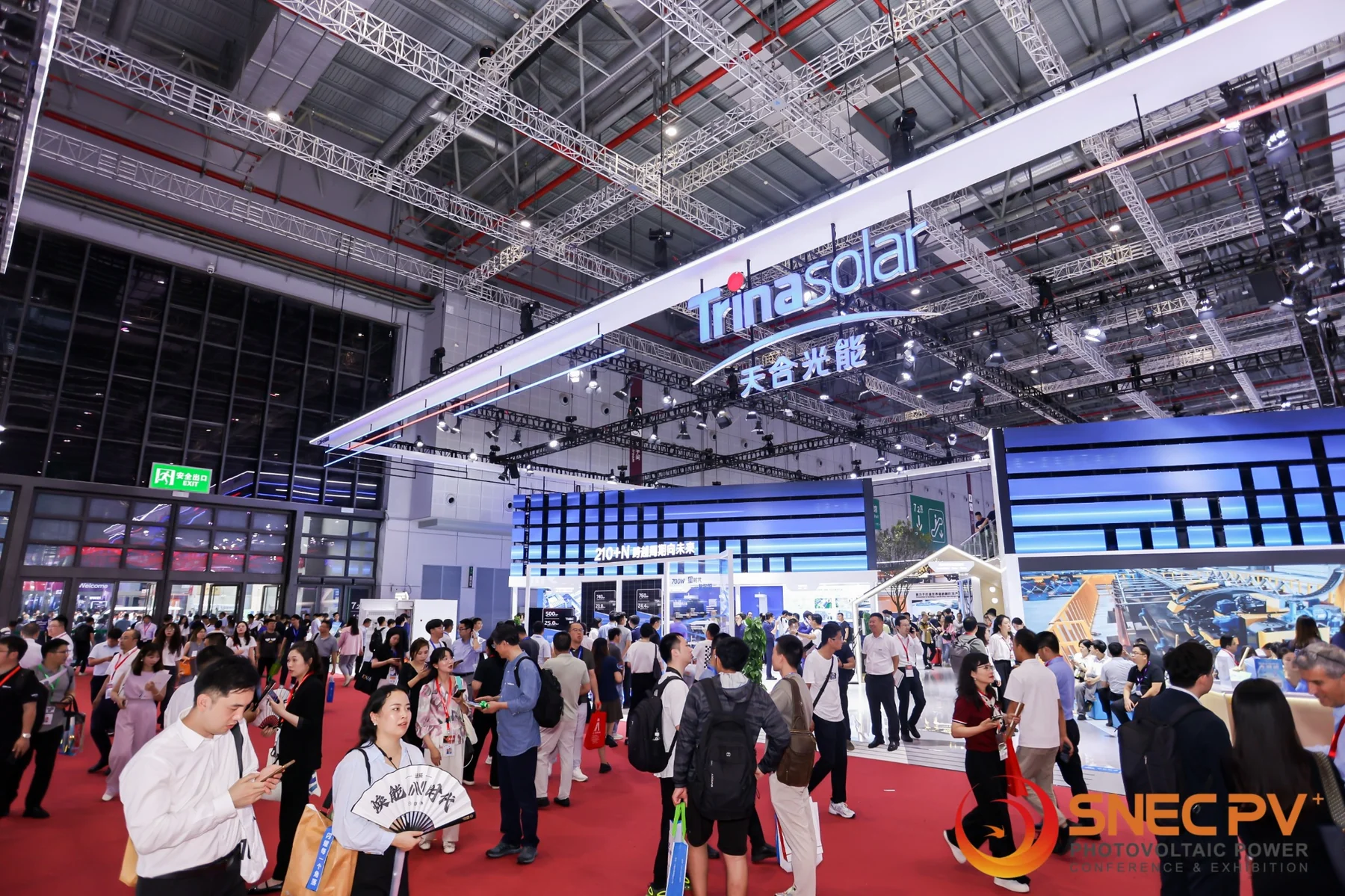
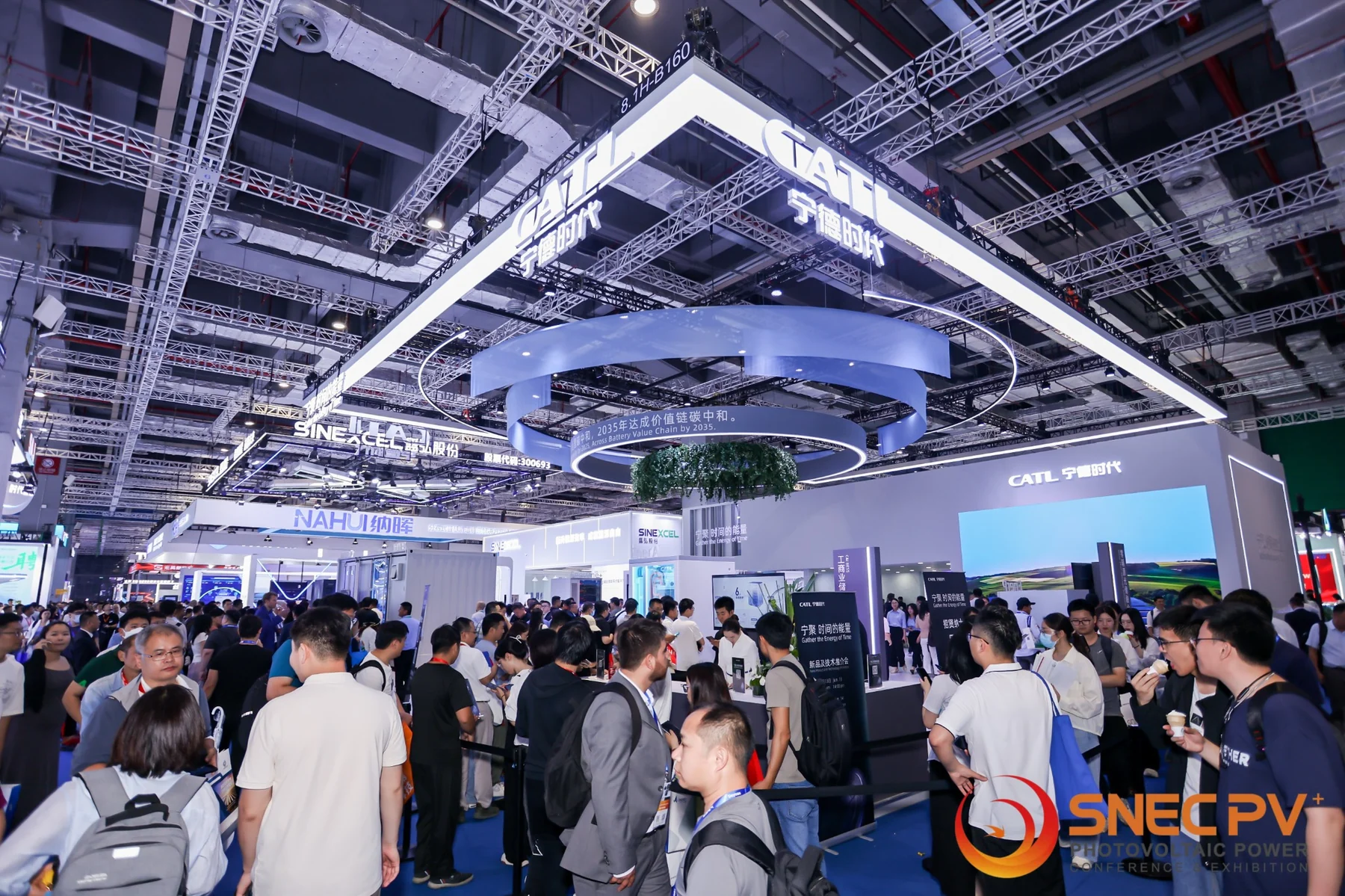
Many international buyers also use SNEC to compare complete solution providers rather than single-product vendors. Booths from major industry participants can help buyers understand how companies position their integrated capabilities across modules, storage, inverters, EMS, project solutions or manufacturing ecosystems. Even when a buyer plans to purchase only one component category, it is useful to understand the supplier’s broader technical depth and commercial positioning.
How buyers should prepare before visiting SNEC
The most common mistake at major exhibitions is arriving without a controlled buying brief. Before travelling, buyers should define the intended application, project type, destination market, target quantity, technical range, certification needs, packing preferences, target delivery window and commercial model. These details determine which exhibitors deserve meeting time.
- Prepare a written product brief for each product category you want to evaluate.
- Shortlist exhibitors and request meetings in advance where possible.
- Group your visit by product type instead of walking the halls randomly.
- Carry a structured quotation-comparison sheet or digital checklist.
- Clarify the destination market and required certifications before the event.
- Bring technical drawings, single-line diagrams or application references if the product requires engineering discussion.
- Decide in advance whether you are looking for distribution supply, project supply, OEM branding or a strategic supplier relationship.
Technical questions buyers should ask exhibitors
The right questions depend on the product category, but good technical questioning should reveal whether the exhibitor can support the buyer’s actual market and application. The objective is to move beyond marketing claims toward decision-making facts.
| Product area | Examples of key buyer questions |
|---|---|
| Solar modules | What cell technology is used? What are the module power range, efficiency, temperature coefficient, warranty terms, test standards and target-market certifications? |
| Inverters | What are the voltage limits, MPPT structure, efficiency, enclosure rating, communication protocol, monitoring platform, grid-code support and after-sales arrangement? |
| Battery systems | What chemistry is used? What are usable capacity, cycle life, BMS logic, safety tests, communication protocol, thermal management and expansion limits? |
| Integrated systems | Which components are supplied directly? Which are integrated from partners? What is the commissioning scope, software architecture, warranty split and project-support model? |
| Commercial terms | What is the MOQ, sample policy, lead time, payment structure, packaging method, spare-parts policy and delivery term? |
How to evaluate exhibitors professionally
A professional exhibitor evaluation should include both technical and commercial signals. Exhibition scale alone does not guarantee that a company is the right supplier, but the way a company presents products, responds to questions and documents follow-up can provide useful evidence. Buyers should score exhibitors against the needs of the intended project or business model rather than against general market reputation alone.
- Clarity of product positioning and technical explanation
- Ability to answer application-specific questions
- Availability of complete datasheets, certifications and test evidence
- Quality of follow-up contacts and business documentation
- Consistency between exhibition claims and written quotations
- Suitability for your market size, quantity and support expectations
- Manufacturing scope versus simple trading or integration scope
- Willingness to discuss warranty, spare parts and after-sales responsibilities clearly
For higher-value purchasing decisions, the exhibition meeting should be only the first stage. Buyers may still need supplier verification, reference checking, deeper engineering review, commercial negotiation, sample evaluation or factory follow-up before placing an order.
How to compare quotations after the exhibition
Post-exhibition quotation review is where many good exhibition visits lose value. Buyers often receive several quotations that appear difficult to compare because product scope, certification status, accessories, warranty, spares and delivery conditions are inconsistent. The solution is to normalize the comparison.
- Place all suppliers on the same specification basis before comparing price.
- Separate standard scope from optional accessories and add-ons.
- Confirm exactly which certifications are included and for which model variants.
- Record warranty duration, warranty conditions and excluded items.
- Check packaging details, palletization, container loading and transport protection.
- Ask for spare-parts recommendations and optional service tools.
- Clarify sample policy, lead time, production capacity and shipment coordination expectations.
- Document payment terms and any price-validity period in writing.
Common buyer mistakes at specialized energy exhibitions
- Choosing suppliers only by booth size or visual presentation
- Requesting quotations without a clear written technical brief
- Comparing module, inverter or battery prices without aligning specifications
- Ignoring destination-market compliance and grid-code requirements
- Failing to record which models were discussed during the fair
- Assuming that every exhibitor has the same manufacturing scope
- Accepting general warranty wording without clarifying conditions and exclusions
- Neglecting after-sales support, monitoring platforms and spare-parts planning
- Leaving the event without a prioritized follow-up schedule
How Giant Gateway can support renewable-energy buyers
Giant Gateway supports international buyers with product request preparation, quotation support, supplier comparison, purchase coordination, quality follow-up and shipment coordination. For renewable-energy and solar-related products, support can include organizing technical requirements, comparing supplier responses, clarifying scope differences and helping buyers move from exhibition discussion to a more structured procurement process.
The objective is to help the buyer connect commercial discussions with clearer written requirements, better quotation comparison and more controlled follow-up after the exhibition. This is particularly useful when products are technical, project-based or destined for markets with certification and documentation requirements.
Frequently Asked Questions
No. It can also be useful for buyers of inverters, energy-storage systems, balance-of-system products, integrated solutions and other clean-energy technologies that appear within the exhibition scope.
Yes, buyers can begin commercial discussions at the exhibition, but serious quotation comparison usually becomes clearer after the fair when the specification, scope and follow-up documents are organized properly.
Not necessarily. A large booth may indicate scale or branding investment, but the supplier should still be evaluated on product suitability, technical support, documentation, certifications, commercial clarity and follow-up capability.
Because certification requirements affect model selection, market suitability, quotation scope and project acceptance. A product that fits technically may still be unsuitable if it lacks the required compliance for the destination market.
Record the exact company name, contact person, product models discussed, key technical points, certification claims, quotation basis, warranty notes and required follow-up actions.
Normally no. Exhibition meetings are valuable for screening and comparison, but important orders usually require deeper document review, quotation comparison, possible supplier verification, quality planning and commercial confirmation before commitment.
Planning a renewable-energy or solar product request?
Send Giant Gateway the product scope, application, technical requirements, target quantity and destination market for product request support, quotation support, purchase coordination and shipment coordination.
Request Your Order