
Introduction
China is not one single manufacturing market. Its production capacity is distributed across specialised cities, districts, towns and regional supply chains, each with different strengths in materials, components, production processes and finished products.
The main manufacturing cities in China include Shenzhen and Dongguan for electronics and components, Foshan for furniture and building-related products, Zhongshan for lighting, Yiwu for small commodities and mixed orders, Ningbo and Taizhou for moulds and industrial components, Yongkang for hardware, and Shaoxing for textiles.
However, choosing among the many factories in China requires more than identifying a famous city. A supplier may maintain a sales office in one city, manufacture in another and purchase important components from several nearby industrial areas. Buyers therefore need to understand both the regional cluster and the individual company’s real production role.
This guide explains where major manufacturing clusters are located, what important Chinese manufacturing cities are known for and how international buyers can use location information when comparing manufacturers, quotations and production capabilities.
Where Are Factories Located in China?
Most factories are concentrated in several large coastal and inland manufacturing regions rather than distributed evenly throughout China.
- The Pearl River Delta in Guangdong, including Shenzhen, Dongguan, Guangzhou, Foshan, Zhongshan and Huizhou
- The Yangtze River Delta, including Shanghai and major industrial cities in Zhejiang and Jiangsu
- The Fujian coastal manufacturing belt, including Quanzhou, Jinjiang, Xiamen, Putian and Fuzhou
- The Shandong manufacturing region, including Qingdao, Jinan, Weifang, Yantai, Zibo, Linyi and Dongying
- Important central, northern and western industrial centres such as Chongqing, Chengdu, Zhengzhou, Wuhan, Tianjin and cities in Hebei and Liaoning
Many manufacturing plants in China operate as part of wider regional supply chains. A finished electronic product, for example, may involve product development in Shenzhen, moulds and plastic components from Dongguan, batteries or electronic assemblies from Huizhou and packaging from another nearby city.
For that reason, buyers should ask where the product is actually manufactured, which processes are completed inside the quoted factory, which materials or components are purchased from other companies, where moulds and tooling are produced, who performs final testing, and which company carries the warranty obligation.
Why Manufacturing Clusters Matter
A manufacturing cluster is a network of related factories, component suppliers, material processors, mould makers, packaging companies, engineering teams, testing services and logistics providers located within the same city or region.
Faster product development
Factories located near their component and tooling suppliers may be able to prepare samples, modify moulds and resolve technical problems more efficiently.
More relevant supplier comparisons
A mature cluster allows buyers to compare several companies experienced in similar products, materials and production processes without searching across unrelated provinces.
Greater technical specialisation
Companies in established industrial clusters are more likely to understand the common equipment, tolerances, components, testing requirements and production problems connected to their product category.
More practical alternatives
When a material, component or configuration is unsuitable, a factory with access to a developed local supply chain may be able to propose alternatives more quickly.
Easier visits and quality follow-up
Factories located within the same region can be visited during one trip. Production and pre-shipment follow-up may also be easier to coordinate when suppliers are geographically close.
These benefits do not mean every company in a cluster provides the same quality. Manufacturers can use different material grades, equipment, component suppliers, subcontractors and quality-control systems.
China’s Main Industrial Cities and Manufacturing Regions
China’s industrial cities are connected through several large regional manufacturing systems.
Pearl River Delta
The Pearl River Delta is one of China’s most diverse manufacturing regions. It includes major production and commercial centres such as Shenzhen, Dongguan, Guangzhou, Foshan, Zhongshan and Huizhou. Its strengths include electronics, telecommunications equipment, electrical products, appliances, displays, lighting, furniture, moulds, plastics, metal parts, garments, packaging and commercial products.
Yangtze River Delta
The Yangtze River Delta includes Shanghai and large areas of Zhejiang and Jiangsu. Its manufacturing networks cover machinery, automotive components, electronics, precision production, moulds, plastics, textiles, chemicals, hardware, solar equipment, household products and industrial systems.
Fujian coastal region
Fujian has important clusters for footwear, sportswear, garments, textiles, bags, stone products, sanitary products, household goods and selected electrical and mechanical products.
Shandong and northern manufacturing regions
Shandong and neighbouring northern regions are important for machinery, tyres, automotive and agricultural components, chemicals, household appliances, building products, food-processing equipment and heavy industrial products.
These China manufacturing hubs overlap. Buyers should therefore select a region according to the product’s essential materials and production processes rather than the product name alone.
China Factories by Product
The following table is a practical starting point. It is not an exclusive list because many products are manufactured in more than one region.
| Product category | Commonly relevant cities or regions | Main points to verify |
|---|---|---|
| Electronics and smart hardware | Shenzhen, Dongguan, Huizhou, Suzhou, Kunshan | Chipset, circuit board, firmware, display, battery, connectivity, testing and component traceability |
| LED displays and commercial technology | Shenzhen, Dongguan, Guangzhou | Modules, pixel pitch, receiving cards, power supplies, cabinet structure, control system and spare parts |
| Moulds and injection-moulded products | Dongguan, Ningbo, Taizhou, Suzhou | Mould steel, cavities, expected life, ownership, maintenance, tolerances and sample rounds |
| Furniture | Foshan, Dongguan, Anji and parts of Jiangsu | Frame, board or wood grade, foam density, fabric, hardware, dimensions, finish and packaging |
| Lighting | Zhongshan, Foshan, Shenzhen, Ningbo | Light source, driver, wattage, colour temperature, materials, heat management and certification |
| Ceramics and building products | Foshan, Zibo, Linyi and specialist regional clusters | Material composition, dimensions, finish, colour consistency, testing and breakage protection |
| Sanitary and bathroom products | Foshan, Chaozhou, Taizhou and Fujian clusters | Ceramic quality, glazing, fittings, dimensions, water performance and packaging |
| Hardware and tools | Yongkang, Ningbo and specialist Zhejiang and Jiangsu clusters | Steel grade, thickness, hardness, surface treatment, motor, battery, accessories and safety |
| Machinery and industrial equipment | Jiangsu, Zhejiang, Shandong, Guangdong and specialist inland cities | Capacity, speed, configuration, voltage, components, drawings, installation and after-sales service |
| Automotive and motorcycle components | Ningbo, Taizhou, Wenzhou, Chongqing and Guangdong clusters | Vehicle compatibility, materials, tolerances, performance testing and traceability |
| Clothing and textiles | Guangzhou, Shaoxing, Dongguan, Fujian and Jiangsu | Fabric composition, weight, colour, shrinkage, sizing, workmanship, labels and packing |
| Footwear | Wenzhou, Quanzhou, Jinjiang, Putian and Dongguan | Upper and sole materials, moulds, sizing, bonding, logo, testing and packaging |
| Small commodities and mixed orders | Yiwu and surrounding Zhejiang clusters | Item coding, stock status, MOQ, packaging, warehouse receiving and consolidation |
| Eyewear | Wenzhou, Danyang and Shenzhen | Frame and lens materials, dimensions, hinges, coatings and optical requirements |
| Bags and luggage | Guangzhou, Quanzhou, Pinghu and specialist clusters | Fabric, lining, zippers, stitching, reinforcement, dimensions and load testing |
| Home appliances | Foshan, Ningbo, Cixi, Zhongshan and Guangdong clusters | Motor, heating element, control board, voltage, plug, certification and spare parts |
| Packaging and printed materials | Wenzhou, Guangzhou, Dongguan, Yiwu and specialist printing clusters | Material grade, thickness, printing method, colour control, artwork and carton strength |
A city should be selected according to the product’s most important manufacturing process. A plastic household item requiring a custom mould, for example, may be better matched with a moulding and injection cluster than with a general household-products market.
Guangdong Manufacturing Cities
Guangdong contains a closely connected network of technology, electrical, consumer-product, furniture, lighting and component factories.
Shenzhen: Electronics, Smart Hardware and Commercial Technology
Shenzhen is best known for electronics, communications equipment, smart devices, commercial displays, LED systems, security products, charging products, drones and embedded technology.
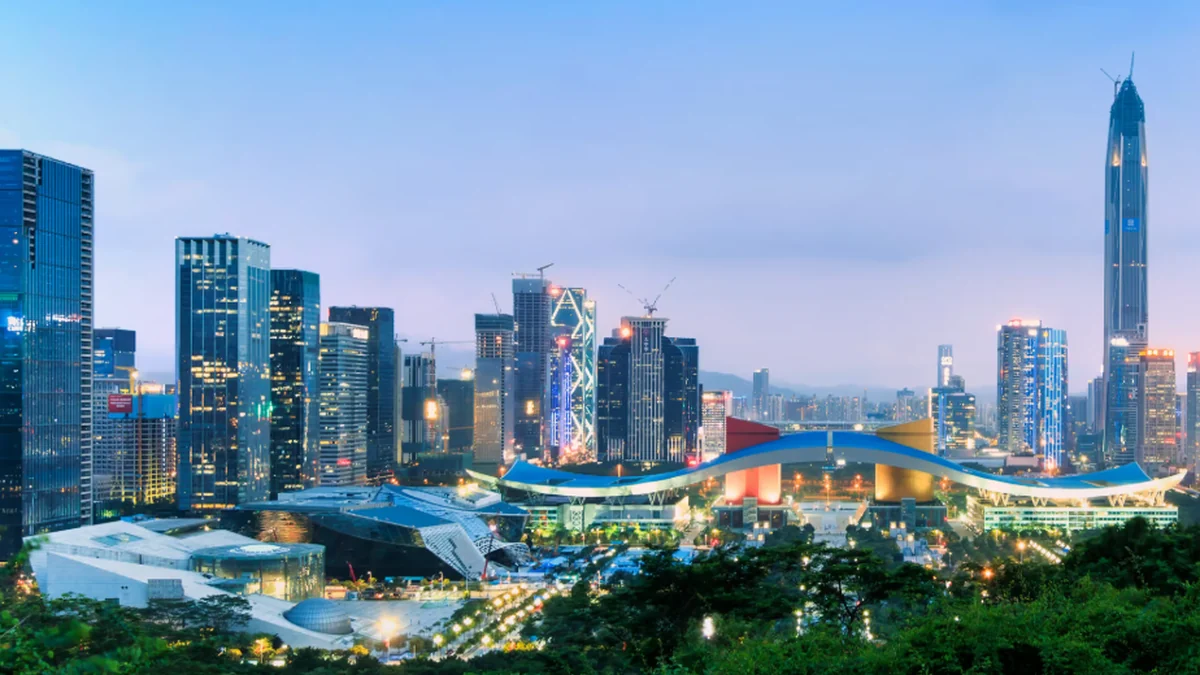
The Shenzhen manufacturing hub combines product development, circuit-board design, components, software, firmware, industrial design, prototyping, testing and international commercial services. Shenzhen’s electronics ecosystem extends from components through assembly and finished electronic products.
Buyers comparing Shenzhen manufacturing companies should confirm processors, circuit boards, displays, batteries, power supplies, connectivity, firmware, interfaces, accessories, testing procedures and replacement components. Some businesses maintain their commercial or engineering teams in Shenzhen while production takes place in Dongguan, Huizhou or another Pearl River Delta city.
Official industry overview: Shenzhen strategic emerging industry clusters and future industries
Dongguan: Components, Moulds and Product Assembly
Dongguan is best known for electronic production, precision components, moulds, plastic injection, metal parts, cables, connectors, packaging and final assembly.
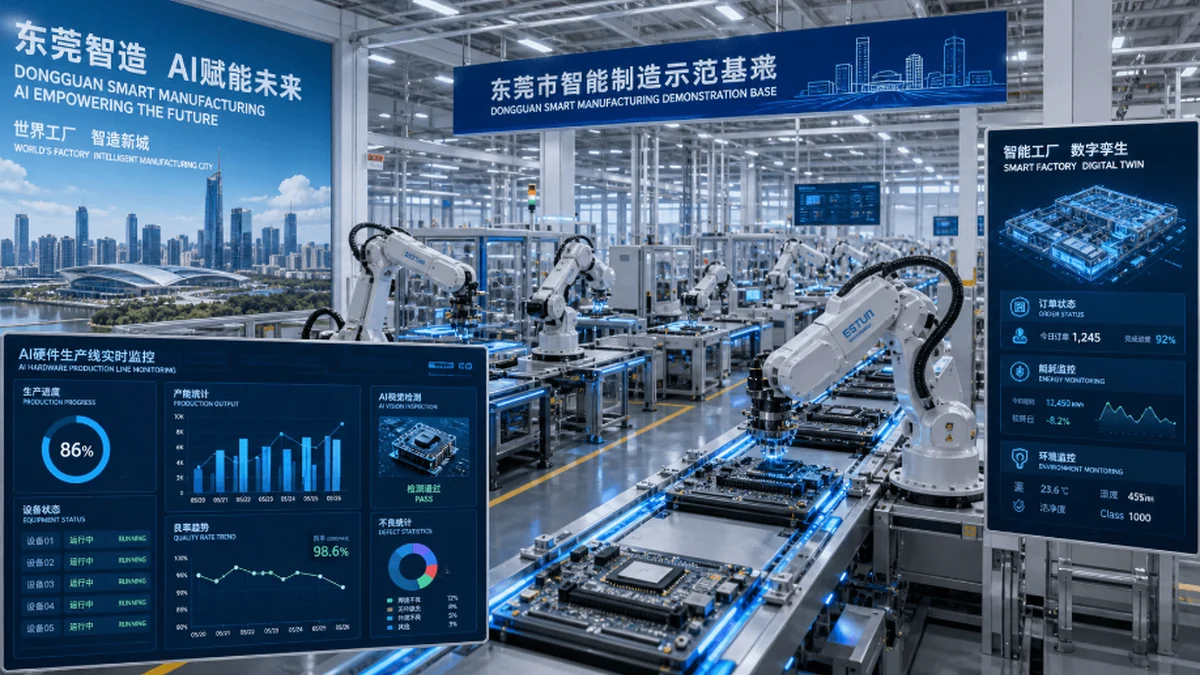
Dongguan manufacturing complements Shenzhen’s product-development and technology ecosystem. The city has a broad industrial system covering components, intermediate processes and finished products. Buyers should clarify the production address, processes completed internally, subcontracted operations, mould ownership, incoming-material inspection, final-testing procedures and warranty responsibility.
Outsourcing is not necessarily a problem, but the production structure should be transparent and the quoted company should define how it controls quality and delivery.
Official industrial profile: Dongguan industrial economy and manufacturing system
Guangzhou: Garments, Consumer Products and Commercial Trade
Guangzhou is best known for garments, textiles, fashion accessories, leather products, beauty products, cosmetics packaging, household products, hotel supplies and broad commercial trade.
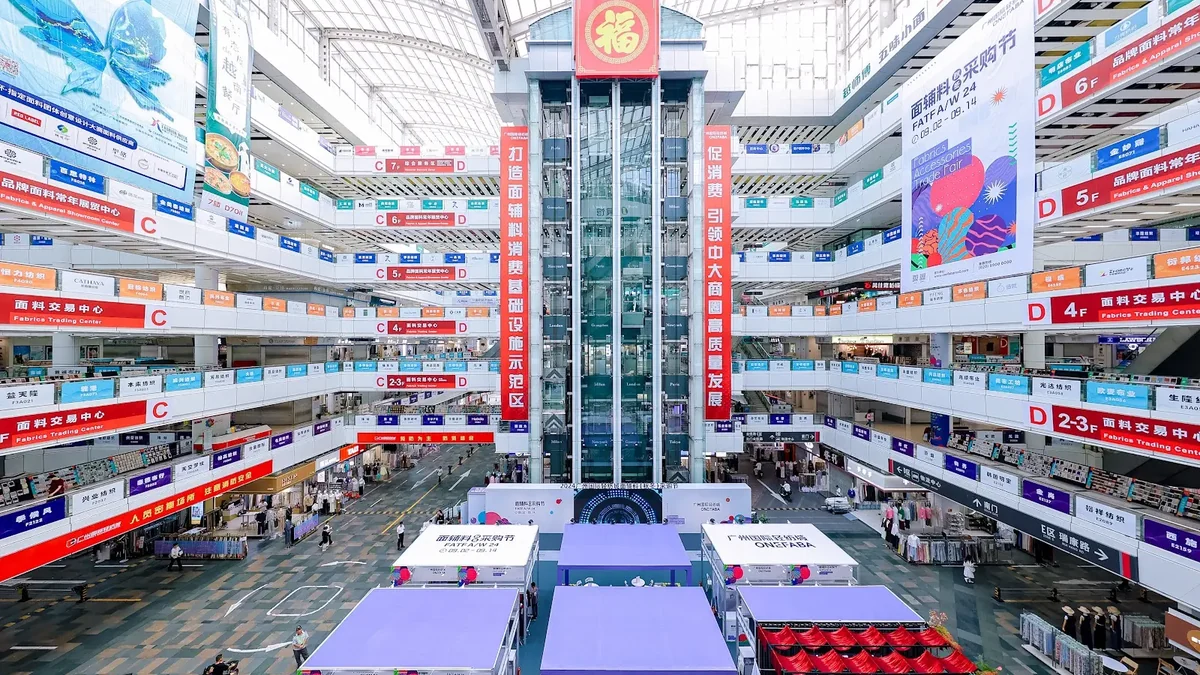
Guangzhou is a major trade, logistics, exhibition and manufacturing centre. It provides access to wholesale markets, commercial companies, product showrooms and factories across the wider Pearl River Delta. The phrase Guangzhou manufacturing can describe companies operating inside the city as well as businesses managing production in nearby cities, so buyers should confirm the actual factory address.
For garments and textiles, specifications should define fabric composition and weight, colour reference, size chart, tolerances, shrinkage, colourfastness, stitching, labels, branding and packaging.
Foshan: Furniture, Ceramics and Home-Related Products
Foshan is best known for furniture, ceramics, tiles, sanitary products, household appliances, aluminium products, doors, windows and interior-building materials.
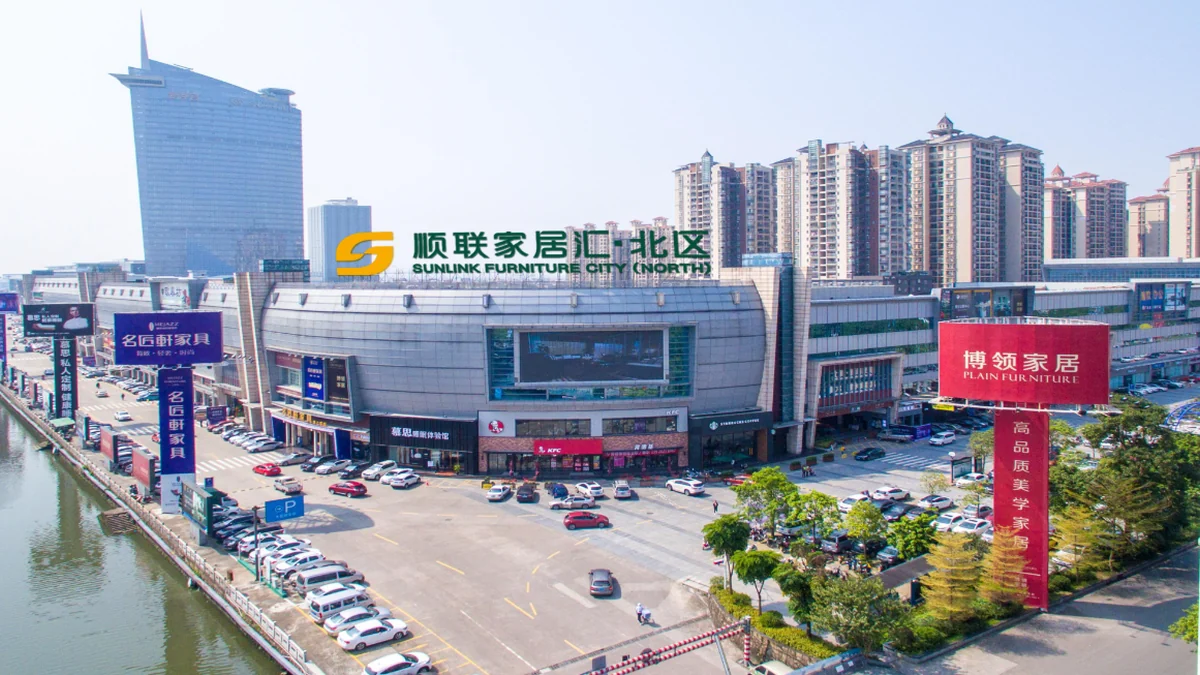
Foshan is practical for buyers who need to compare physical materials, finishes, colours and construction details. Showrooms can assist product comparison, but showroom quality does not automatically prove production capability.
Furniture requirements should define structural materials, wood or board grade, foam density, fabric or leather, hardware, dimensions, surface finish, construction, packaging and loading method. For ceramics and sanitary products, review batch consistency, dimensions, glazing, water absorption, fittings and breakage protection.
Regional industry reference: Foshan ceramics industry and trade cluster
Zhongshan: Lighting and Electrical Products
Zhongshan, particularly the Guzhen cluster, is best known for decorative, residential, commercial and selected outdoor lighting.
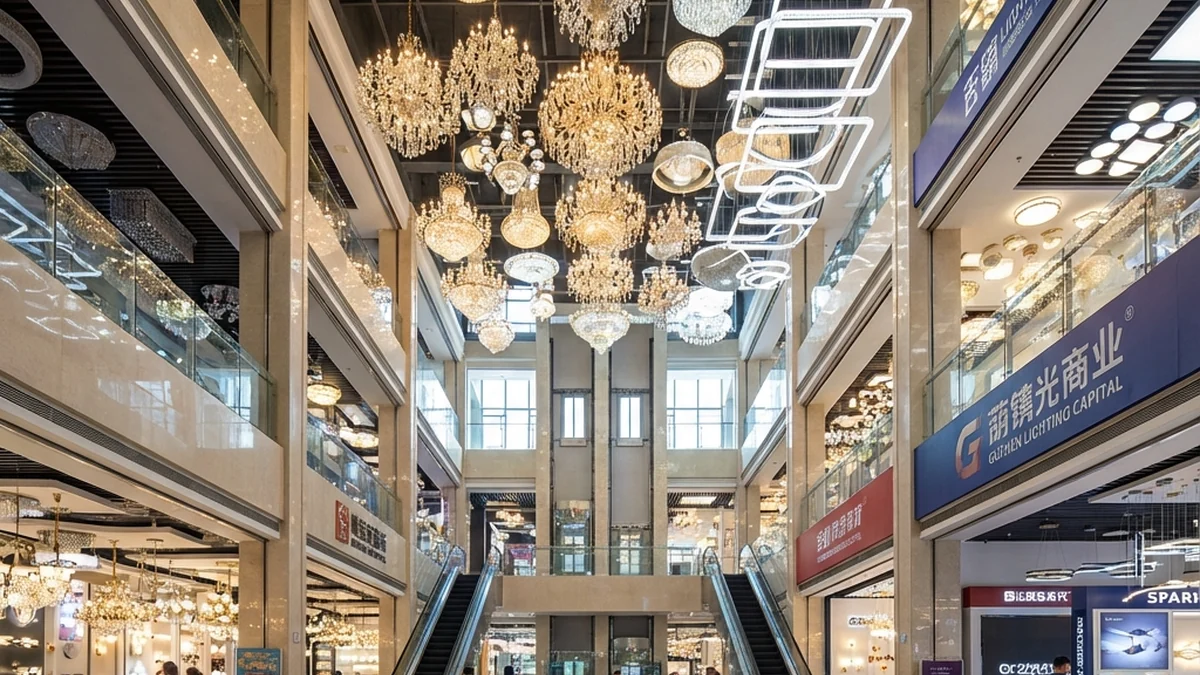
Lighting products with similar exterior designs may use very different internal components. A complete quotation should state wattage, luminous output, colour temperature, colour-rendering requirements, driver specifications, housing material, heat management, ingress protection where applicable, required reports and packaging.
Official cluster reference: Guzhen lighting industry and foreign trade
Huizhou: Electronics, Batteries and Industrial Production
Huizhou forms part of the wider Guangdong electronics and battery supply chain. It is relevant to electronic products, batteries, components, displays and selected industrial products, and it may serve as the production location for companies whose sales or product-development operations are based in Shenzhen.
For battery-powered products, confirm the cell type and supplier, rated and tested capacity, protection system, charging configuration, expected cycle life, transport documents, required destination-market tests and replacement procedure.
Official city reference: Huizhou electronics and battery industry development
Zhejiang Manufacturing Cities
Zhejiang has many specialised manufacturing towns and export-oriented supply chains covering small commodities, moulds, plastics, hardware, electrical products, textiles, automotive components and household products.
Yiwu: Small Commodities and Mixed Orders
Yiwu is best known for small commodities, promotional products, accessories, stationery, gifts, household items, seasonal goods, simple hardware and mixed-category purchases.
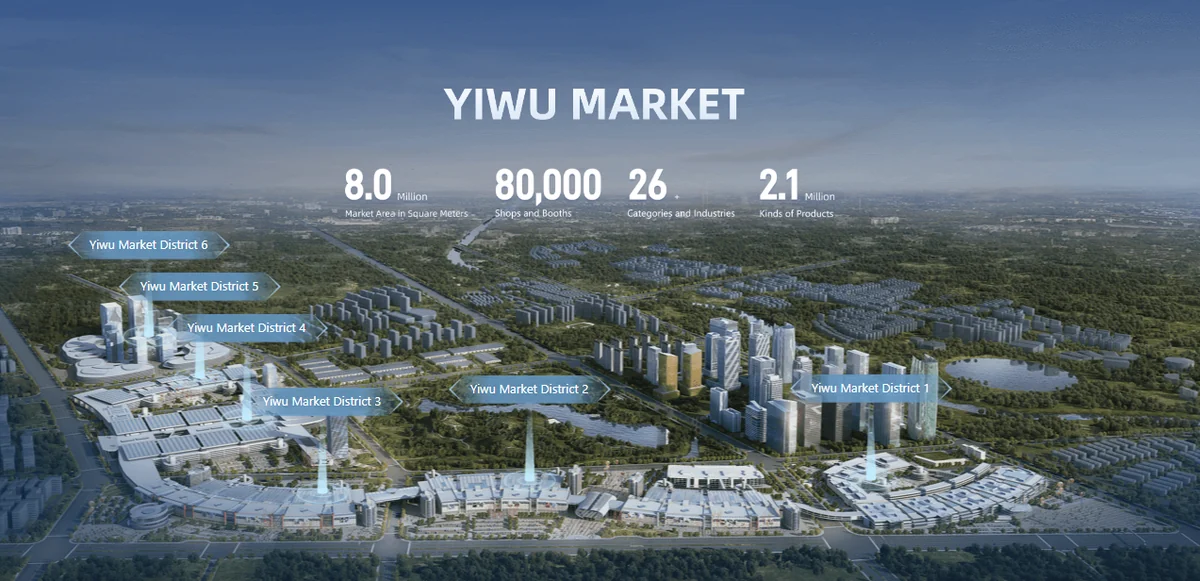
Yiwu’s main advantage is variety. Buyers can compare many ready-made products and combine orders from several suppliers into one shipment. However, a market booth may represent a factory, distributor, brand owner, export company or several connected manufacturers.
Mixed orders need a controlled master item list containing a unique item code, reference photograph, supplier details, final specification, colour, size, quantity, packaging, branding requirements, delivery date, carton marks and inspection requirements.
Yiwu is practical for mixed small commodities but is not automatically the best location for technical electronics, large machinery or engineering-intensive custom products.
Official market platform: Yiwu International Trade Market introduction and category structure
Ningbo: Moulds, Automotive Components and Export Manufacturing
Ningbo is best known for automotive components, moulds, plastic injection, electrical appliances, stationery, hardware and export manufacturing. The region is relevant when a project requires tooling, moulded components, die casting or a combination of components and final assembly.
For custom moulds, define mould steel, number of cavities, expected mould life, ownership, sample rounds, engineering changes, maintenance responsibility, storage conditions, transfer conditions and the final unit price after approval.
Regional industry profile: Ningbo key industries: automotive parts and mould manufacturing
Wenzhou: Footwear, Electrical Products, Eyewear and Packaging
Wenzhou and its surrounding county-level clusters are associated with footwear, low-voltage electrical products, switches, eyewear, printing, labels and packaging. Buyers should identify the district or town relevant to the product instead of treating the whole city as one uniform cluster.
Footwear requests should define materials, construction, soles, moulds, sizing, bonding, performance and packaging. Electrical requests should identify rated voltage and current, materials, contacts, applicable standards, exact models and required certification.
Taizhou: Plastics, Moulds, Pumps and Vehicle Components
Taizhou is best known for plastics, moulds, automotive and motorcycle components, pumps, valves, household products and selected machinery. It is relevant when a product depends heavily on injection moulding or specialised mechanical parts.
Buyers should confirm whether the supplier designs or produces moulds internally, controls the material specification, maintains production records and performs dimensional, functional or pressure tests. Pump and valve requests should state materials, connection size, flow, pressure, motor, seals and operating conditions.
Yongkang: Hardware, Tools and Metal Products
Yongkang is best known for hand tools, power tools, doors, locks, cookware, insulated drinkware, metal household products, cleaning equipment and fitness products. It is particularly relevant to products involving metal forming, stamping, welding, surface treatment and hardware assembly.
Descriptions such as heavy duty or high-quality steel are not measurable. Buyers should state the steel or alloy grade, thickness, hardness, dimensions, tolerances, surface treatment, motor or battery configuration, accessories, safety features and testing requirements.
Shaoxing: Textiles and Fabric Supply
Shaoxing, particularly the Keqiao textile ecosystem, is important for fabrics, textile materials, dyeing, printing and related production. It is relevant to garment, fabric and home-textile buyers comparing compositions, weights, colours, patterns and finishes.
Textile requests should define fibre composition, fabric construction, width, weight, colour reference, printing or dyeing method, shrinkage tolerance, colourfastness, finish, hand feel, roll length, packaging and testing. A small swatch may not represent bulk-production consistency.
Jiangsu, Shanghai and the Yangtze River Delta
Shanghai is a major commercial, logistics, engineering and exhibition centre. Companies may maintain their headquarters, export department or research team in Shanghai while manufacturing in Jiangsu or Zhejiang.
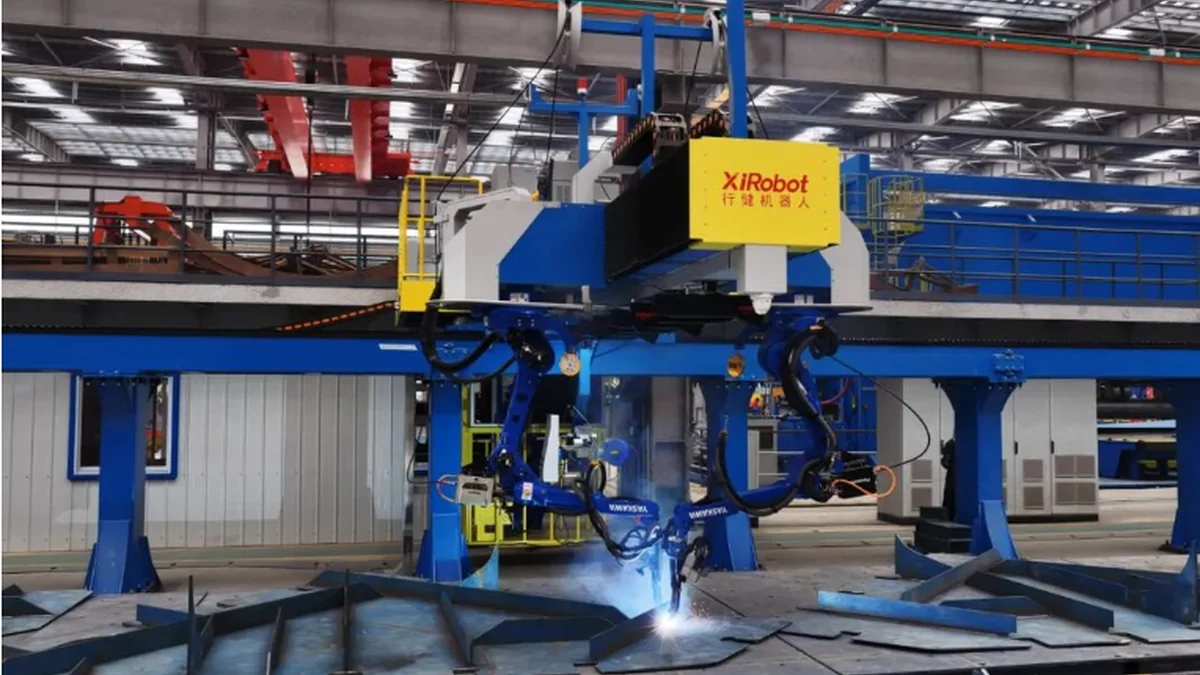
Important Jiangsu manufacturing cities include Suzhou, Kunshan, Wuxi, Changzhou, Nantong and Yangzhou. The wider region supports machinery, industrial equipment, precision components, electronics, automotive products, textiles, chemicals, solar equipment, medical products and technical systems.
For machinery and technical equipment, buyers should define the intended application, production capacity, operating speed, processed material, configuration, component brands, voltage, frequency, phase, safety systems, drawings, installation responsibility, training, spare parts, warranty and after-sales support.
A statement that a machine performs the same function as another model is insufficient. Output, tolerances, automation level, material compatibility and included systems must be compared.
Fujian, Shandong and Northern China
Fujian
Fujian has important clusters for footwear, sportswear, garments, bags, stone, sanitary products, household goods and selected electrical products. Quanzhou, Jinjiang and Putian are particularly relevant to footwear and sports-related industries, while Xiamen is an important commercial and logistics centre.
For footwear and apparel, buyers should define materials, construction, moulds, sizing, workmanship and performance requirements before comparing prices.
Shandong
Shandong has broad industrial capacity in machinery, tyres, automotive components, agricultural equipment, chemicals, appliances, building materials and food-processing products. Qingdao, Weifang, Dongying, Guangrao, Zibo, Linyi, Jinan and Yantai support different industrial strengths.
Technical standards, material traceability and performance testing are particularly important for machinery, tyre and automotive-component projects.
Northern, central and western cities
Other important industrial regions include Chongqing for vehicles and motorcycles; Wuhan for automotive and industrial production; Zhengzhou and surrounding Henan cities for equipment; Tianjin and Hebei for machinery and steel-related products; Liaoning for heavy industry; and Chengdu for electronics, technology and equipment.
Large, heavy or engineering-intensive products may be better matched with these industrial regions than with coastal wholesale centres.
How to Choose the Right Manufacturing City
1. Define the product precisely
Begin with the intended use, dimensions, materials, functions, quantity, packaging and destination-market requirements.
2. Identify the main production process
Determine whether the product depends mainly on electronics, plastic injection, metal fabrication, textiles, ceramics, furniture construction, printing, chemical formulation, mechanical engineering or another specialised process.
3. Separate standard and custom requirements
A standard product requiring only a printed logo may be available through a commercial or wholesale centre. A product requiring a new mould, structural changes, electronics, firmware or performance testing should be directed towards a technically specialised cluster.
4. Examine the full supply chain
Consider the availability of components, materials, moulds, packaging, engineering, testing and replacement parts—not only the final assembly factory.
5. Compare several relevant companies
Contacting multiple companies within the same cluster helps reveal common configurations, normal MOQ ranges, technical limitations, price drivers, sample requirements and typical lead times.
6. Do not force every product into one region
A mixed shipment may include commodities from Yiwu, electronics from Guangdong and machinery from Jiangsu or Shandong. Consolidation convenience should not override technical suitability.
7. Consider visits and quality follow-up
Geographical concentration can make visits and follow-up easier, but proximity should not justify choosing a technically unsuitable manufacturer.
How to Find and Verify a Manufacturer
Identifying the correct city is only the first step.
Confirm the legal company identity
Compare the company name shown on the business registration, quotation, contract, bank account, commercial invoice and export documents. Material differences should be explained before payment.
Clarify the company’s real role
Ask whether the business is the manufacturer, assembler, brand owner, export company, distributor or a company coordinating several factories. A trading or export company is not automatically unsuitable; the important issue is whether it communicates its role transparently and controls specifications, production, quality and warranty responsibilities.
Confirm the production location
Request the complete factory address and identify which processes are completed at that location.
Check experience with the exact product
A large catalogue does not prove manufacturing depth. Ask about similar products, materials, equipment, production limitations and quality-control procedures.
Send identical requirements
Each company should receive the same written product brief so the responses can be compared fairly.
Compare equivalent quotations
Compare product specifications, materials, included accessories, packaging, MOQ, tooling, sample cost, lead time, Incoterm, testing, warranty and shipment information—not unit price alone.
Evaluate samples
Confirm whether the sample uses the intended production materials and final construction. Record all remaining changes before mass production.
Review certificates and reports
Check that each document matches the manufacturer, product, quoted model, applicable standard and destination-market requirement.
Visit the factory when necessary
Factory visits are especially valuable for customised, technical, high-value or repeat orders.
Document the final agreement
The purchase order or contract should define specifications, sample approval, quantity, packaging, delivery, inspection, defect handling, warranty, documents and shipment responsibilities.
Common Buyer Mistakes
- Assuming every company in a famous industrial city is a manufacturer
- Selecting a city based only on a broad product name
- Treating a market booth or showroom as proof of factory ownership
- Comparing prices before confirming equivalent specifications
- Ignoring the actual production location
- Accepting certificates that do not match the quoted product
- Choosing the lowest quotation without checking exclusions
- Using one region for all products in a mixed order
- Failing to define mould ownership
- Approving a sample without recording its exact configuration
- Relying on verbal promises
- Failing to control item codes and packaging across several suppliers
- Assuming factories in the same cluster provide equal quality
- Confusing a large catalogue with strong production capability
Manufacturing-city knowledge should improve supplier research. It does not replace written specifications, sample approval, verification or quality follow-up.
How Giant Gateway Supports International Buyers
Giant Gateway helps international buyers turn general product ideas into clearer commercial requests and identify the type of manufacturing region relevant to the required product.
- Product request support
- Requirement organisation
- Quotation support
- Specification comparison
- Sample follow-up
- Purchase coordination
- Packaging follow-up
- Documentation follow-up
- Quality follow-up
- Mixed-order consolidation planning
- Shipment coordination
- International trade support
The objective is to help buyers communicate requirements clearly, compare proposals consistently and maintain better control across different suppliers and manufacturing locations.
Frequently Asked Questions
Many factories are concentrated in the Pearl River Delta, the Yangtze River Delta, Fujian, Shandong and additional central and northern industrial regions. The most suitable region depends on the product, materials and manufacturing process.
There is no single reliable answer for every category. Cities such as Shenzhen, Dongguan, Guangzhou, Foshan, Suzhou and Ningbo all have large manufacturing systems, but they specialise in different industries.
There is no universal biggest manufacturing city in China because the answer changes according to the measurement used—industrial output, number of factories, exports, employment or product specialisation. Buyers should identify the strongest city for their particular product rather than search for one overall winner.
Shenzhen, Dongguan, Huizhou and other Pearl River Delta cities are major electronics locations. Suzhou, Kunshan and other Yangtze River Delta cities also have significant electronics and precision-manufacturing capacity.
No. Shenzhen also supports commercial displays, LED systems, charging products, security products, drones, industrial design, software, product development and technology-based equipment.
No. Yiwu is especially useful for small commodities, ready-made models and mixed-category orders. Technical electronics, large machinery and engineering-intensive custom products often require other manufacturing regions.
No. A booth may represent a factory, distributor, brand, export company or several connected suppliers.
No. Foshan is also relevant to ceramics, tiles, sanitary products, household appliances, aluminium products, doors, windows and other home and building-related categories.
Sales and product-development teams may operate in a commercial centre while production takes place in a nearby manufacturing city. Buyers should verify both locations and understand which company controls the order.
No. They may use different materials, components, equipment, subcontractors and production controls.
Sometimes. Yiwu is practical for many mixed small-commodity orders. A technically diverse order may require products from several specialised regions followed by warehouse receiving and shipment consolidation.
Large factories are located throughout major industrial regions and often serve automotive, electronics, appliances, machinery, energy and heavy-industry sectors. A ranking depends on the definition of largest and usually does not help a buyer identify the best manufacturer for a particular product.
A visit is particularly useful for customised, technical, high-value or repeat orders and whenever the company’s production role is unclear.
Ready to Discuss Your Product Request?
Send Giant Gateway the product name, required quantity, reference photographs, specifications, packaging requirements and destination market. Our team will review the request and provide support with quotations, purchase coordination, quality follow-up and shipment coordination.
Request Your Order