
Why the Canton Fair matters to international buyers
The Canton Fair can be one of the most valuable business trips to China for importers, distributors, retailers, project contractors and companies developing private-label products. It brings a broad range of exhibitors and product categories together in Guangzhou, allowing buyers to examine products physically, compare specifications and discuss commercial requirements directly with suppliers.
Simply attending the fair, however, does not guarantee a good purchasing decision. The event is too large to approach without preparation. Buyers who arrive without selecting the correct phase, organizing product requirements or planning a daily route can spend several days collecting catalogues without obtaining useful quotations.
A productive visit requires clear objectives, structured supplier evaluation and disciplined follow-up after the exhibition. The goal should be a documented shortlist of companies that can be compared on specifications, samples, commercial terms, quality requirements and delivery—not merely a collection of business cards.
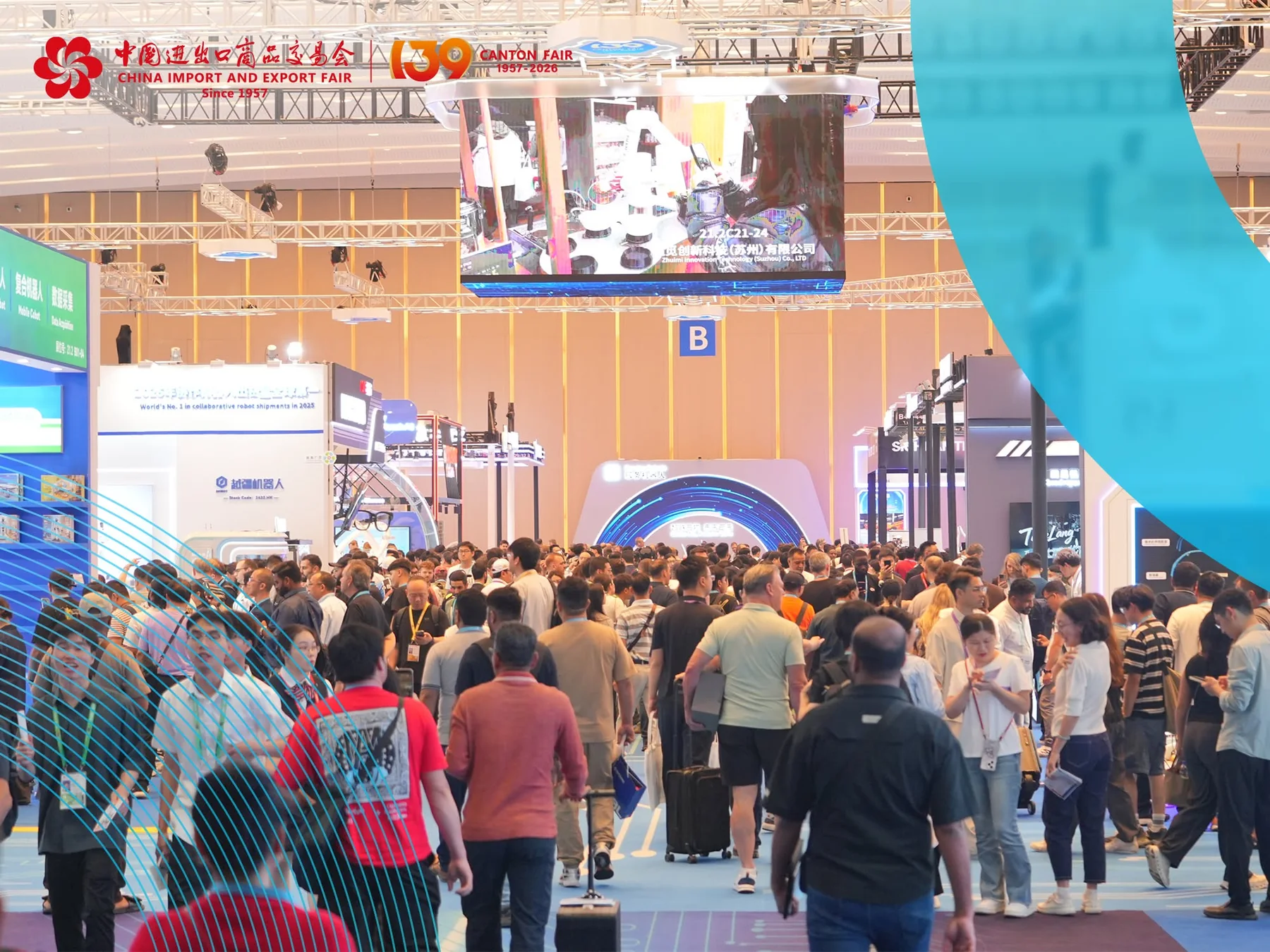
What the Canton Fair is—and the dates of the 140th session
The official name is the China Import and Export Fair, although it is internationally known as the Canton Fair. It was established in spring 1957 and is held in Guangzhou during the spring and autumn of each year. It is co-hosted by the Ministry of Commerce of the People’s Republic of China and the People’s Government of Guangdong Province and organized by the China Foreign Trade Centre.
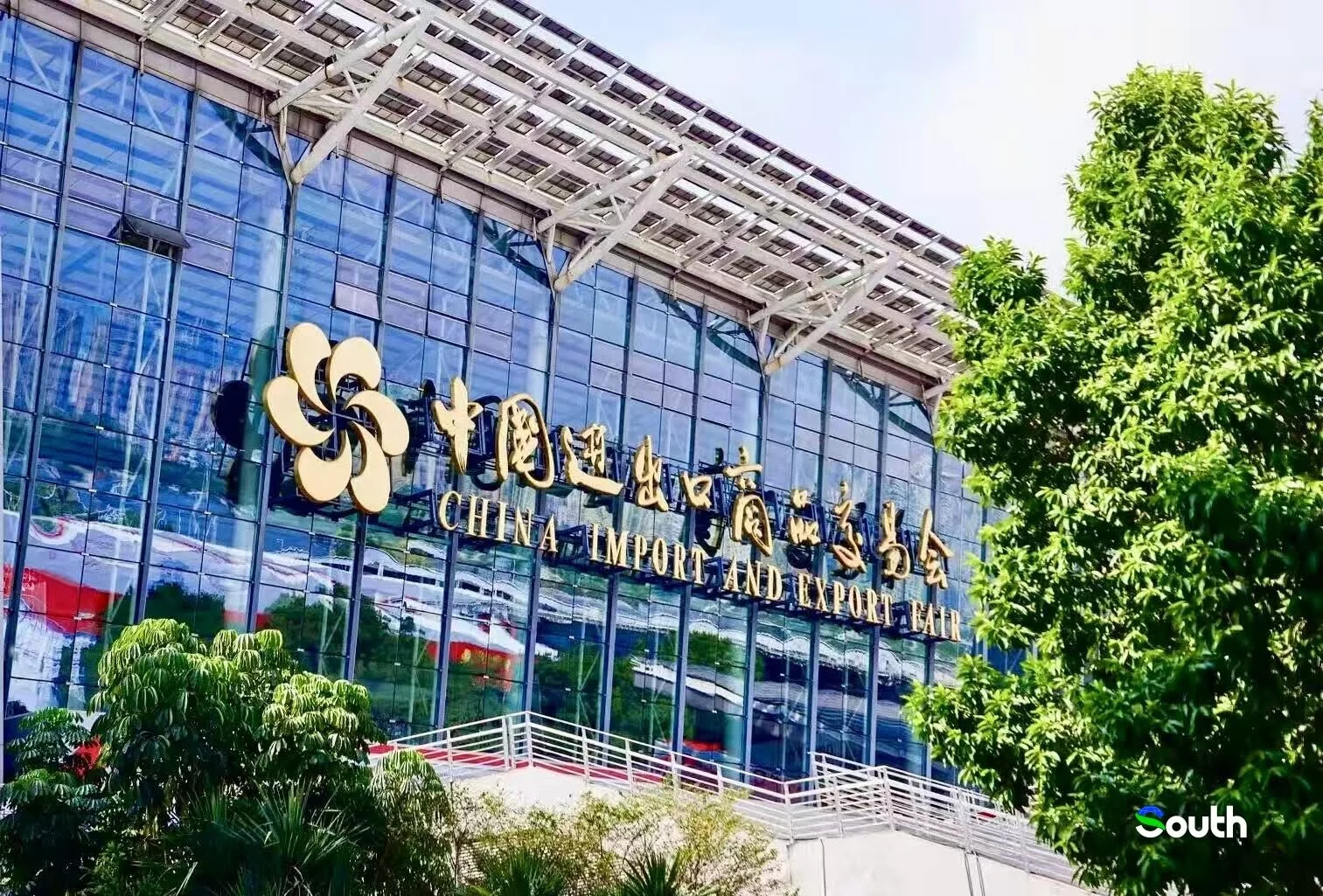
The event takes place at the China Import and Export Fair Complex, also called the Canton Fair Complex, at No. 382 Yuejiang Zhong Road in Guangzhou. The venue contains several major areas and many exhibition halls. Route planning is therefore an essential part of preparation, especially when a buyer has appointments in more than one area.
| 140th Canton Fair phase | Official autumn 2026 dates |
|---|---|
| Phase 1 | October 15–19, 2026 |
| Phase 2 | October 23–27, 2026 |
| Phase 3 | October 31–November 4, 2026 |
Official attendance guide: 2026 Attendance Guide for Overseas Buyers of the Canton Fair
Official fair website: China Import and Export Fair (Canton Fair)
Understanding the three Canton Fair phases
Phase 1: industrial, electrical and technology-related products
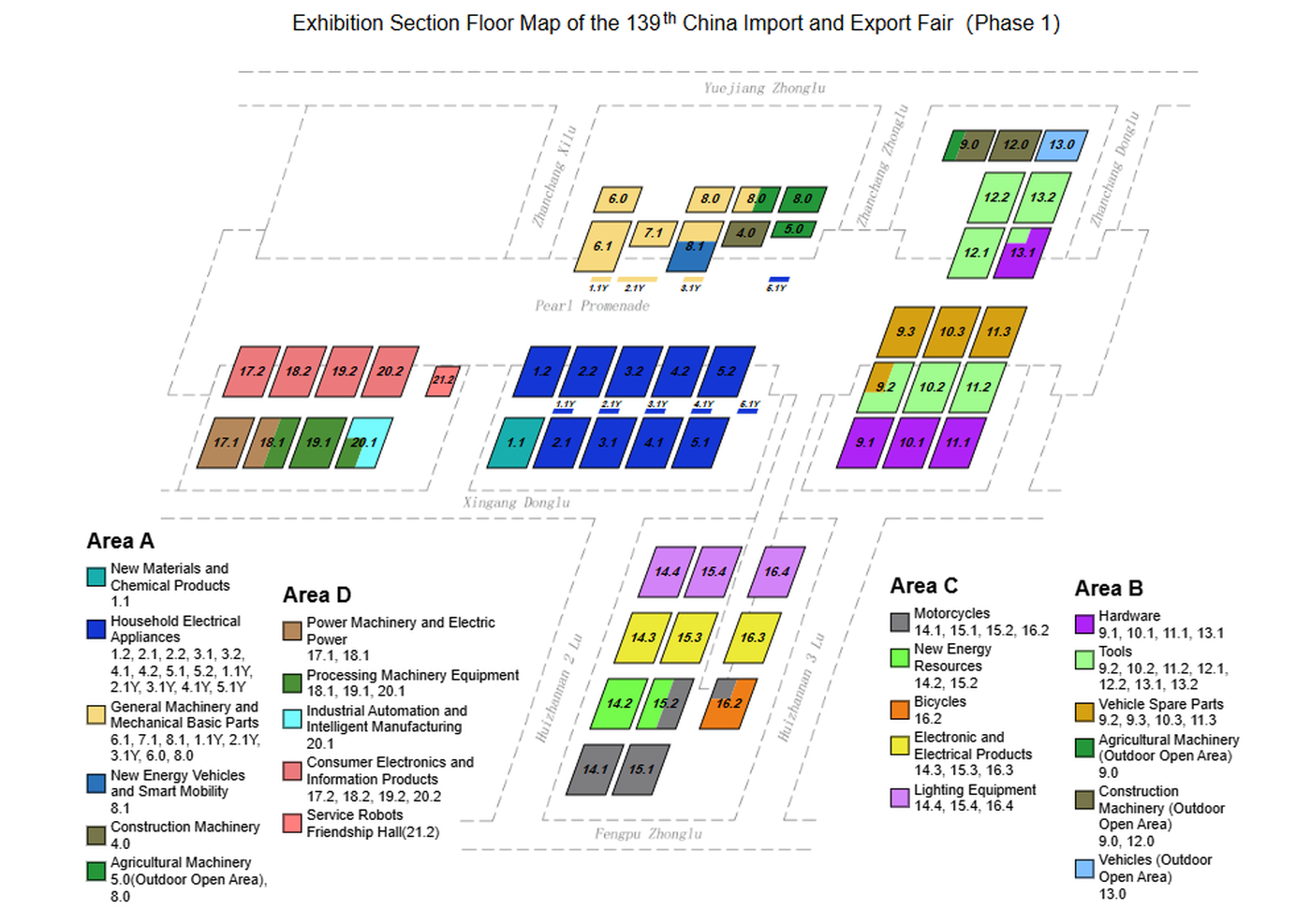
Phase 1 focuses heavily on industrial manufacturing, electronics, electrical products, machinery, vehicles and related technologies. Official product groups include household electrical appliances; consumer electronics and information products; industrial automation and intelligent manufacturing; processing and power machinery; general machinery and mechanical basic parts; construction and agricultural machinery; new materials and chemical products; vehicles, motorcycles, bicycles and spare parts; new-energy vehicles and smart mobility; lighting equipment; electronic and electrical products; new-energy resources; hardware; and tools.
Phase 1 is normally the most relevant phase for technical products, industrial equipment, electrical goods, commercial technology and machinery. Buyers should still search the official exhibitor platform before travelling because a commercial product name does not always reveal the exhibition category or hall.
Phase 2: home, construction and general consumer products
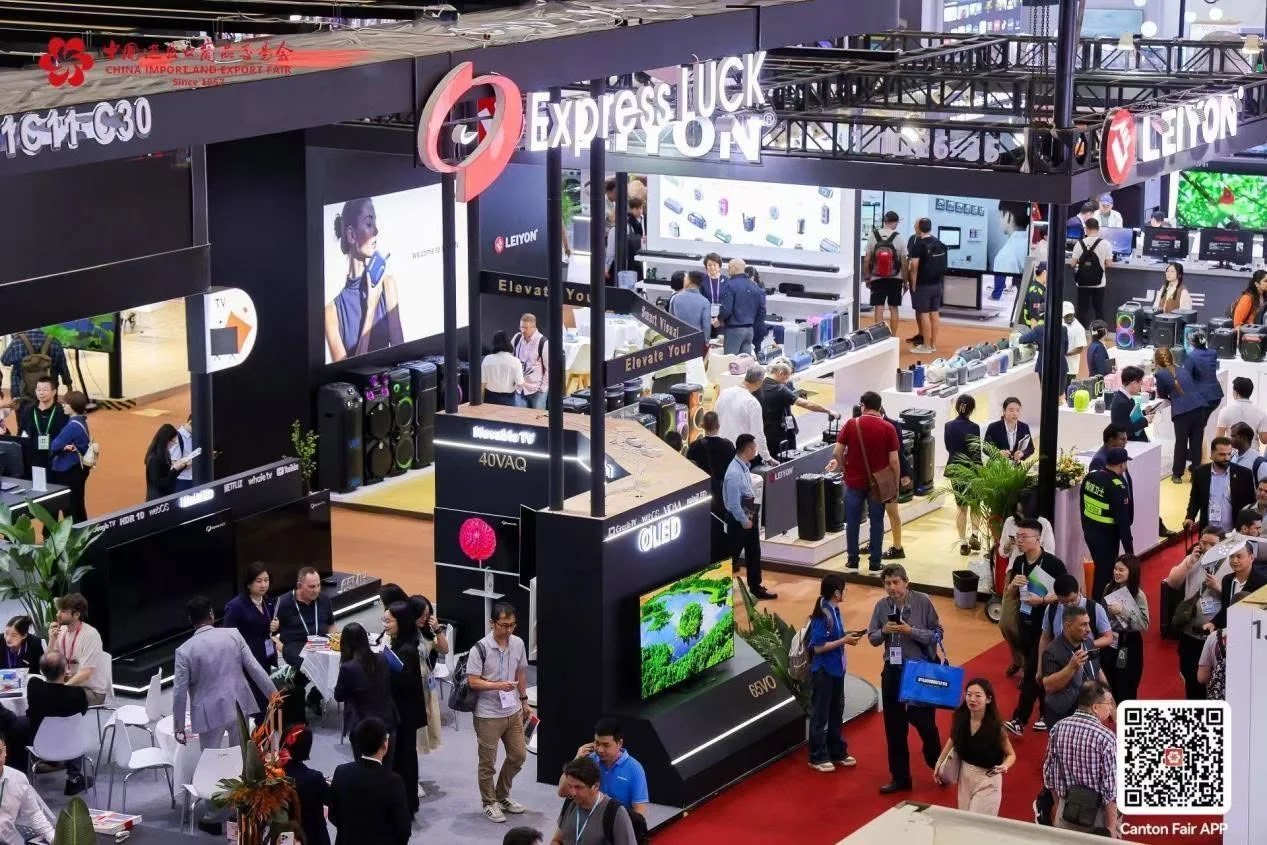
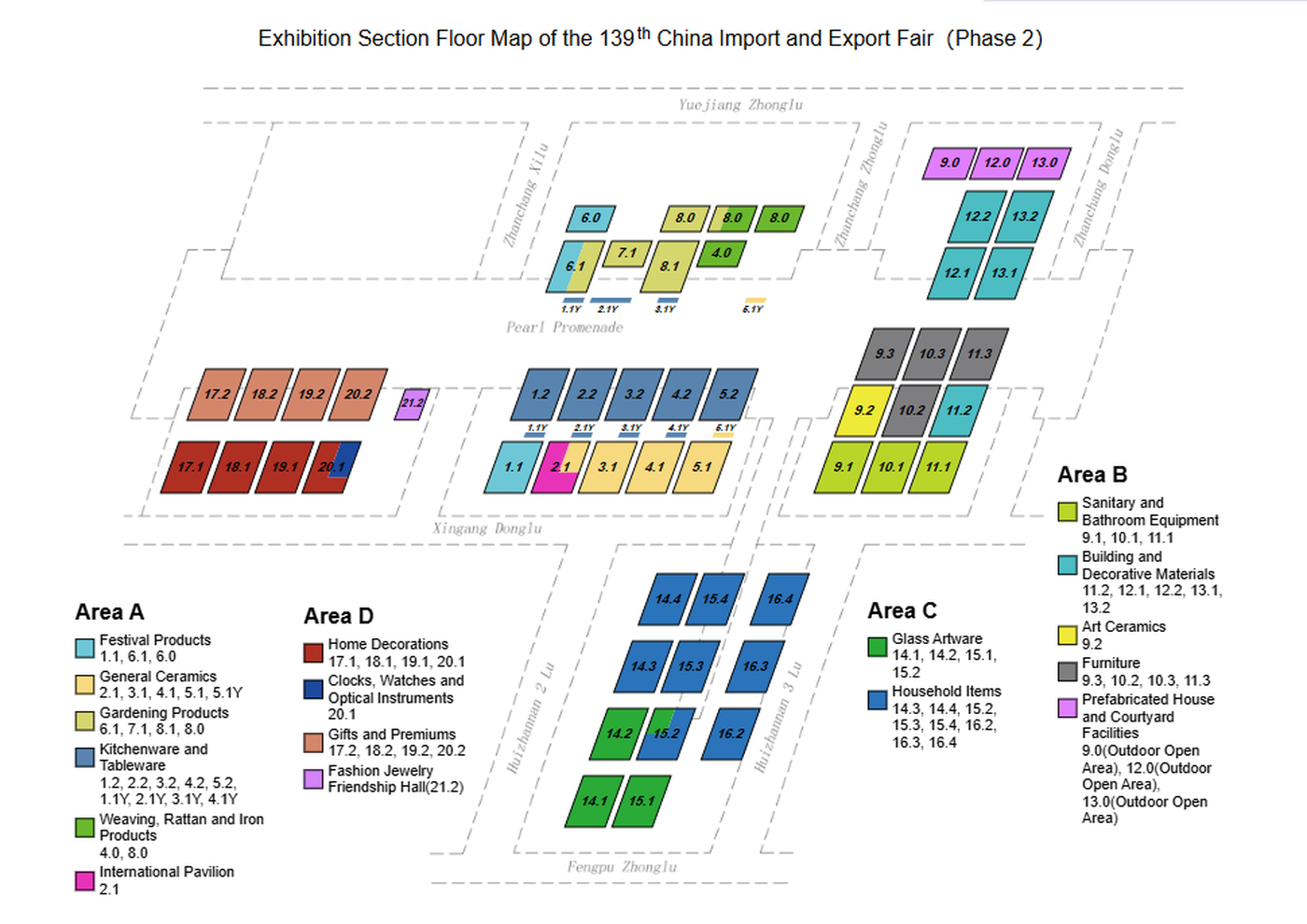
Phase 2 is particularly relevant to buyers working with household goods, interior products, furniture, construction materials, gifts and decorative products. Categories include general and art ceramics; kitchenware and tableware; household items and glassware; home decorations; gardening and festival products; gifts and premiums; clocks, watches and optical instruments; weaving, rattan and iron products; building and decorative materials; sanitary and bathroom equipment; furniture; and prefabricated houses and courtyard facilities.
Many products in Phase 2 can look similar while differing substantially in material grade, dimensions, construction, finishing, packing and breakage protection. Buyers should prepare comparison fields before visiting instead of relying only on visual appearance.
Phase 3: fashion, textiles, health and lifestyle products
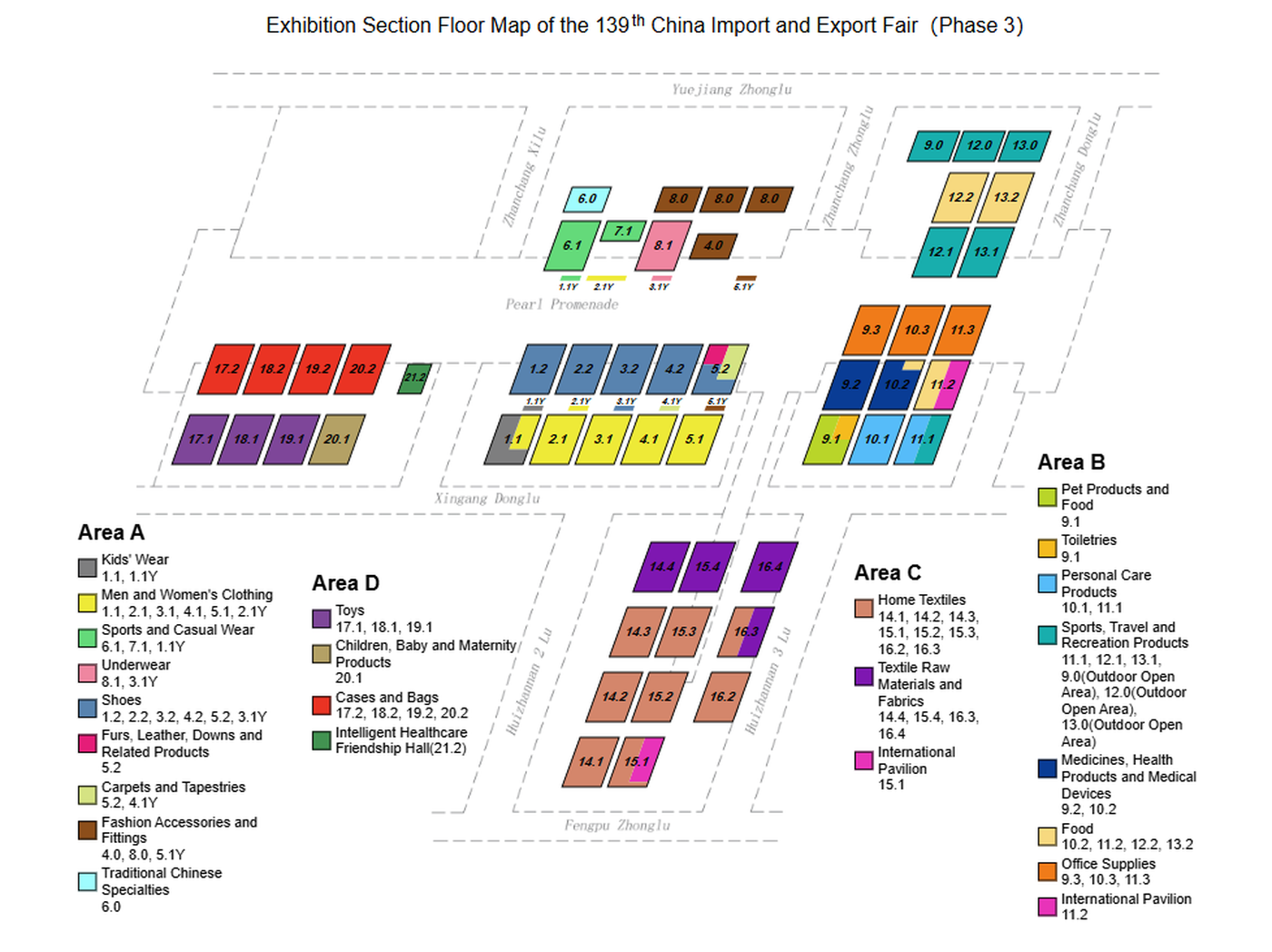
Phase 3 covers many consumer categories connected to clothing, personal use, health, travel and family products. Groups include toys; children, baby and maternity products; clothing and underwear; sports and casual wear; leather, down and related products; fashion accessories; textile materials and fabrics; shoes; cases and bags; home textiles; carpets and tapestries; office supplies; medicines, health products and medical devices; food; sports and travel products; personal-care products; toiletries; pet products and food; and traditional Chinese specialties.
Buyers discussing textiles or clothing should prepare fabric composition, weight, colour, sizing, workmanship, labels and packing requirements. For health-related or medical products, regulatory obligations should be identified before supplier selection because requirements vary significantly by destination market and product classification.
How to choose the correct phase and complete buyer registration
Start with the product rather than the travel dates. Write down the precise product category, intended use and destination market. Compare that information with the official phase list and search the Canton Fair online platform for relevant exhibitors and products. When a product may fall under more than one category, search several commercial and technical terms.
Prepare three supplier groups: priority exhibitors that closely match the requirement, comparison exhibitors offering similar products, and discovery exhibitors that may introduce an alternative solution. This structure prevents the visit from becoming an unplanned walk through hundreds of booths.
Overseas buyers should complete pre-registration before attending. Official guidance directs buyers to register through the Buyer Service System or Canton Fair app, select the phases they plan to attend and apply for an overseas buyer badge where applicable. Original valid identification is required for badge collection.
An invitation letter and a buyer badge are different. The invitation can support a Chinese visa application, but visa approval remains with the relevant authority. Registering a buyer account, applying for an invitation and obtaining a badge are separate steps, so buyers should check the status of each one.
Official registration system: Canton Fair Buyer Service System
Official pre-registration guidance: Easy Canton Fair Badge Registration for Overseas Buyers
Official invitation guidance: Applying for Invitation for a China visa application
How international buyers should prepare before travelling
A productive Canton Fair visit begins before arrival in Guangzhou. Prepare a short written brief for each target product so exhibitors receive the same requirements and their quotations can later be compared.
- Reference photographs, drawings or model numbers
- Required dimensions, materials and construction
- Functions, capacity or performance requirements
- Estimated trial and repeat-order quantities
- Packaging, logo and private-label requirements
- Destination country, voltage, plug type and language
- Required certificates, reports or testing
- Target delivery period and preferred commercial term
- Priority exhibitor names, areas, halls and booth numbers
- Passport, visa, registration and badge documents
A buyer who asks only “How much is this product?” is likely to receive a price that cannot be compared meaningfully with other offers. Accommodation should also be selected according to transport convenience, not price alone, because a distant hotel can create a significant daily travel burden during peak exhibition periods.
How to plan a daily route inside the complex
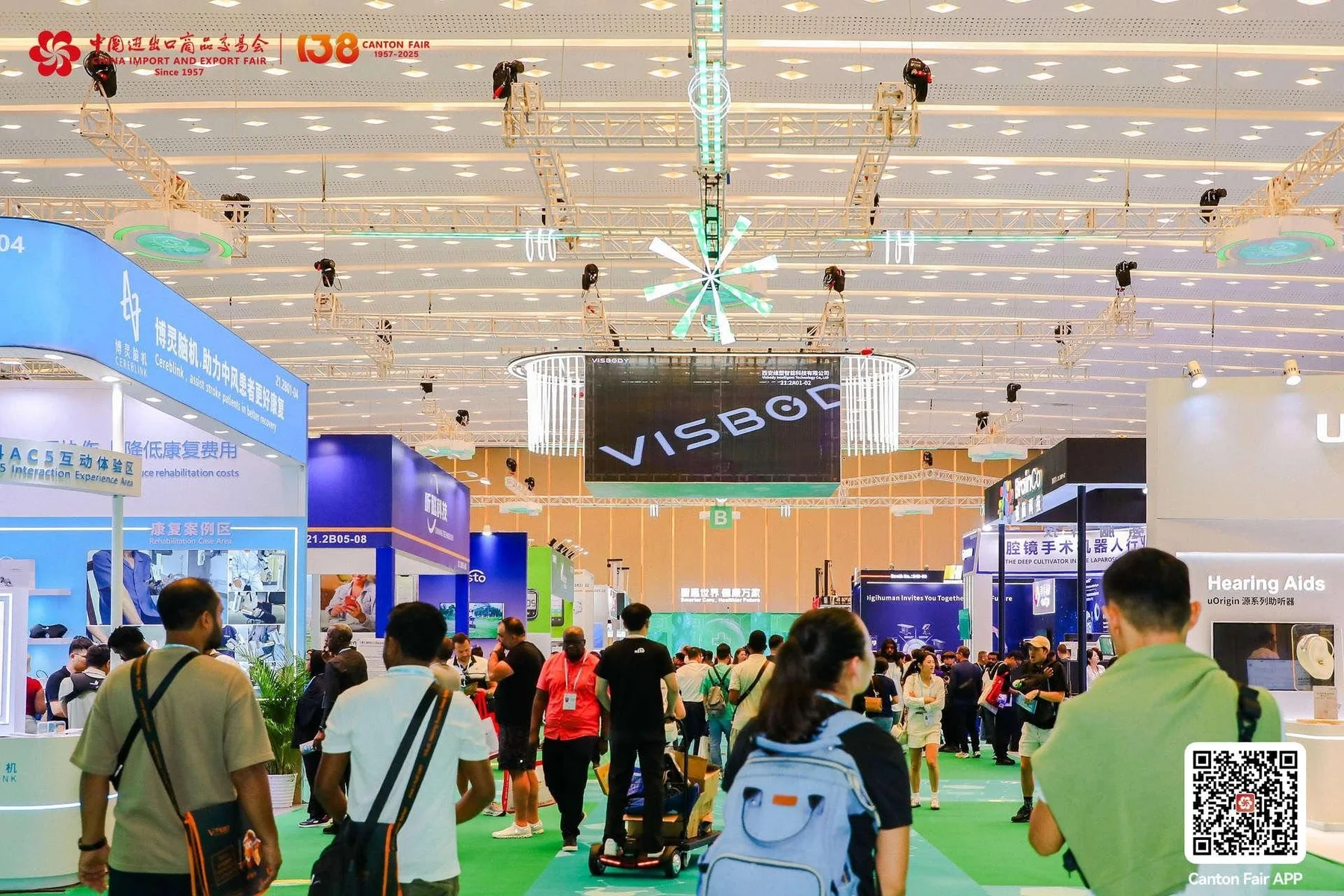
The complex is too large for efficient random exploration. Group exhibitors by area and hall, then create a route that minimizes repeated movement. Visit the most important exhibitors early in the day when conversations are easier and staff may be less rushed.
- Company name, booth number and contact person
- Product model and important specifications
- Indicative price and minimum order quantity
- Sample availability and customization options
- Certificates or documents promised
- Factory location and possible visit date
- Questions still requiring written clarification
- Agreed date for a formal quotation or follow-up
Where photography is permitted, photograph the booth sign or business card together with the relevant product. This prevents confusion after hundreds of photographs and contacts have accumulated. Collect catalogues selectively and keep materials only from exhibitors that match an actual requirement or demonstrate useful capability.
How to evaluate exhibitors and understand their real role
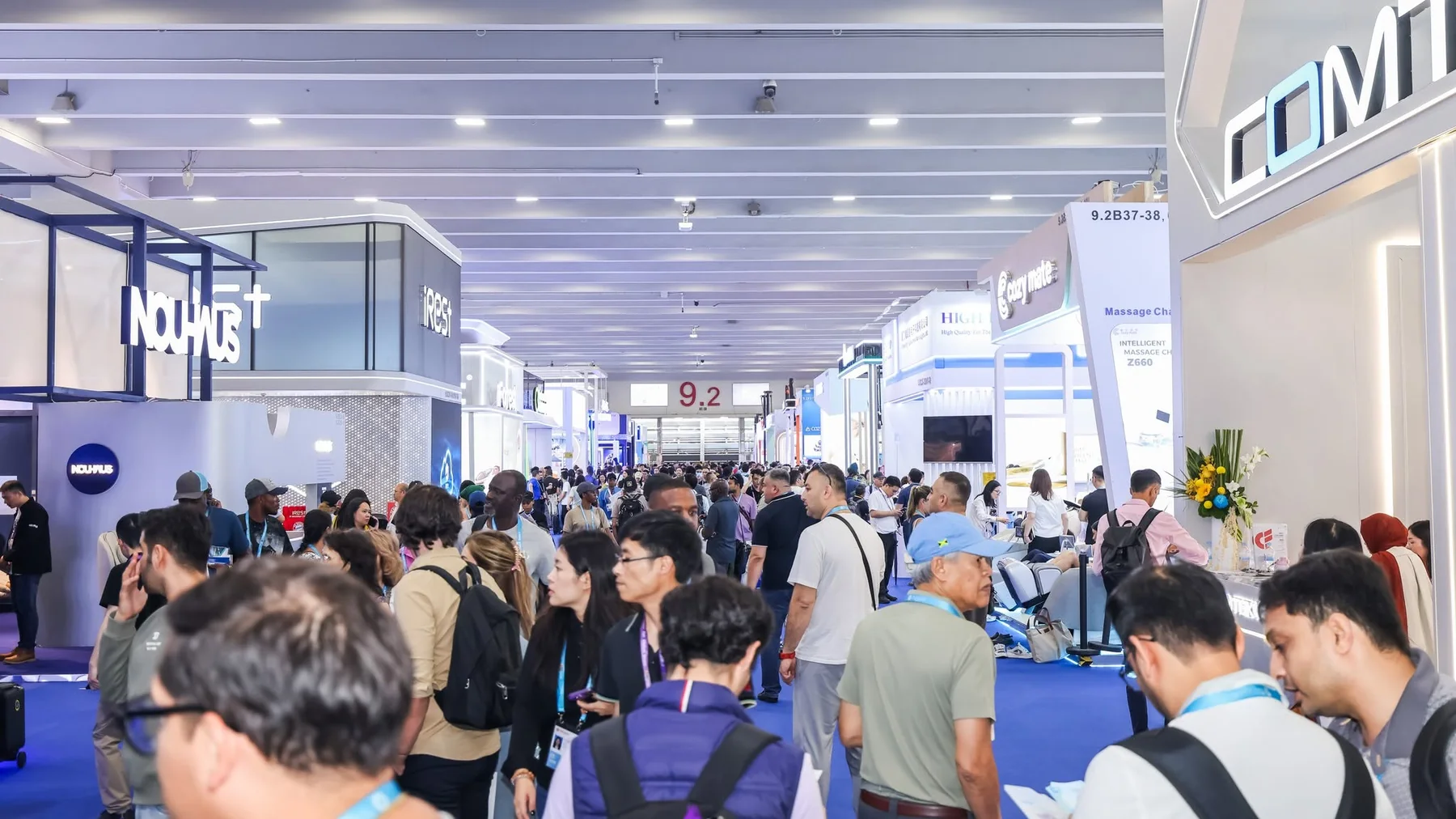
A Canton Fair booth can be operated by a manufacturer, brand owner, assembler, export company, trading company, system integrator or a business combining several roles. A trading company is not automatically unsuitable, and a company describing itself as a factory is not automatically the best option. The important issue is transparency.
- Where the product is manufactured and which processes are completed internally
- Which important components or materials are purchased externally
- Who owns the product design and technical documents
- Who performs quality control and final testing
- Who issues and fulfils the warranty
- Whether the displayed item is in regular production
- Whether the production facility can be visited
- Who will provide replacement parts or after-sales support
A strong exhibitor should be able to discuss the product beyond its visible features. Staff should understand material choices, production limitations, minimum quantities, customization, testing, packaging and delivery. An impressive booth demonstrates marketing investment; it does not by itself prove production quality or dependable after-sales support.
Questions buyers should ask at the booth
A serious booth conversation should cover more than unit price. The objective is not to complete the entire transaction immediately, but to determine whether the company deserves structured follow-up.
- Is this exact product currently in regular production?
- Is your company the manufacturer, brand owner, assembler or export company?
- Where is the production facility, and can it be visited after the fair?
- What materials and principal components are used?
- What is the minimum order quantity and what price breaks apply?
- Which features, colours, logos and packaging can be customized?
- What are the sample cost and sample lead time?
- What is the mass-production lead time?
- What quality checks and aging or functional tests are performed?
- Which certificates or test reports apply to this exact model?
- What accessories, spare parts and documentation are included?
- What are the packing method, carton quantity, gross weight and shipment volume?
- What are the warranty terms and replacement procedure?
- What information is needed for a complete formal quotation?
Samples, private label and packaging discussions
Many fair discussions involve OEM, ODM or private-label requirements, but these terms can cover very different levels of customization. A simple private-label project may use an existing product with a custom logo, label and printed box. A deeper project may require different materials, tooling, moulds, dimensions, electronics, firmware or performance testing.
Before requesting a customized sample, confirm what will change, what will remain standard, the sample cost, tooling or mould charges, printing setup, sample lead time, refundability of development charges, ownership of tooling or designs and the minimum quantity after approval.
Packaging must also be defined clearly. “Export packing” is too general. State whether the order requires neutral packaging, printed retail boxes, Arabic or English text, barcodes, product labels, instruction manuals, carton markings, protective inserts, pallets or destination-market importer information.
How to compare quotations after the fair
The real purchasing work begins after the exhibition. Organize contacts within the first few days while conversations are fresh. Remove companies that do not match the requirement and send the remaining exhibitors the same written product brief.
| Comparison area | Information required |
|---|---|
| Product | Exact model, size, materials, functions and included accessories |
| Components | Main parts, grades, brands or technical configuration |
| Customization | Logo, colour, packaging and product changes |
| Quantity | MOQ, price breaks and trial-order conditions |
| Packing | Unit packing, carton quantity, dimensions and gross weight |
| Commercial terms | Unit price, currency, Incoterm and quotation validity |
| Production | Sample time, tooling time and mass-production lead time |
| Compliance | Certificates, reports and destination-market suitability |
| Service | Warranty, spare parts and technical support |
| Shipping | Total volume, loading information and delivery assumptions |
Do not compare two prices unless the underlying products are genuinely equivalent. A lower quotation may exclude packaging, accessories, tooling, testing, spare parts or documentation included by another supplier. Important promises made at the booth should be confirmed in writing.
Certifications and destination-market requirements
Certificates should be checked against the exact product being offered. Confirm the manufacturer name, product name and model, applicable standard, testing laboratory, issue date, tested voltage and frequency, and whether the report covers the finished product or only one component.
Do not assume that a mark, certificate or report is accepted in every country. Destination-market obligations may depend on the product category, intended use, electrical configuration, wireless functions, importer status and local regulations. Essential compliance requirements should be identified before supplier selection—not after production is completed.
What to do after the Canton Fair
A factory visit can be particularly useful for technical, customized or high-value orders. It can help confirm production facilities, assembly processes, testing equipment, capacity, quality procedures and whether the exhibitor’s claims match its operations.
Do not delay follow-up for several weeks. Good exhibitors meet many buyers during the fair, and detailed discussions can be forgotten. Send a concise follow-up containing the product reference, booth meeting date, required specification, quantity and promised actions.
Common Canton Fair mistakes
- Attending the wrong phase or relying on an old floor map
- Travelling without pre-registration or the required original documents
- Arriving without defined product requirements
- Visiting booths without a route plan
- Collecting contacts without notes or product references
- Comparing prices without comparing specifications
- Assuming every exhibitor is a manufacturer
- Approving products based only on appearance
- Accepting unrelated certification documents
- Paying deposits before confirming written details
- Ignoring packaging, shipment volume and after-sales responsibilities
- Choosing a supplier mainly because its booth looks impressive
The Canton Fair is an opportunity to identify and compare options. It should not replace supplier verification, sample approval, written specifications or quality follow-up.
How Giant Gateway supports international buyers
Giant Gateway supports international buyers before and after exhibitions by helping turn general product ideas into clearer commercial requests. Support can include product request support, requirement organization, quotation support, specification comparison, sample follow-up, purchase coordination, quality follow-up, documentation follow-up, packaging follow-up, shipment coordination and international trade support.
The objective is to help buyers communicate requirements clearly, compare proposals consistently and maintain better control from the initial request through preparation for shipment. Giant Gateway does not claim to organize, represent or operate the Canton Fair.
Frequently Asked Questions
Attend the phase containing your main target category. Check the latest official phase list and search the online exhibitor platform before booking travel because some related products can appear in different phases.
Official guidance instructs overseas buyers to complete pre-registration through the Buyer Service System or Canton Fair app. Pre-registration also makes buyer-badge application and collection more convenient.
Official Canton Fair information states that the buyer card is valid for multiple sessions. Returning buyers should bring the newest valid card because replacement can involve a service fee and invalidate the previous one.
Yes. An official Canton Fair invitation can be used as supporting material for a Chinese visa application, but visa approval is decided by the relevant embassy, consulate or visa authority.
No. Exhibitors can include manufacturers, brands, assemblers, export companies, trading companies and other organizations. Buyers should confirm each company’s real role and responsibility.
Yes, when the exhibitor agrees. Factory visits are often useful for serious technical, customized or high-value projects.
Prepare the product specification, quantity, materials, dimensions, packaging, branding, destination market, required compliance documents and delivery expectations.
They can help readers understand the scale and general arrangement, but they must not be treated as the confirmed 140th-session layout. Always check the latest official floor map.
Need support with a product request?
Send Giant Gateway your product details for quotation support, purchase coordination, quality follow-up, and shipment coordination.
Request Your Order